
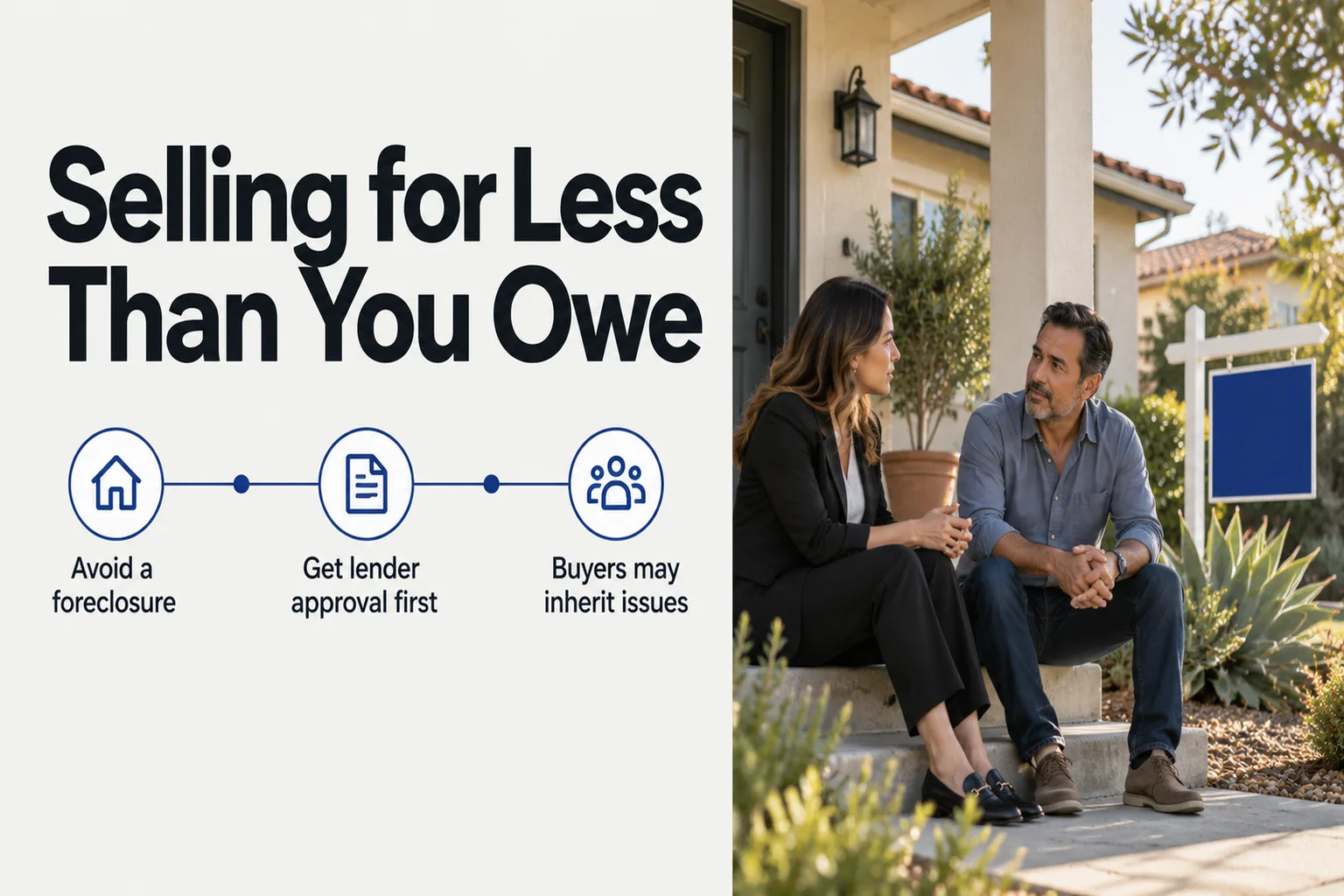
A short sale is when a lender agrees to accept less than the full mortgage balance as payment in full when a homeowner sells their property. It's a financial and legal process that sits between "I'm keeping my home" and "the bank is taking it back" — and understanding it clearly can make a real difference for anyone facing hardship or considering the purchase of a distressed property.
Why Does a Short Sale Happen?
Short sales typically arise when a homeowner owes more on their mortgage than the home is currently worth — a situation called being "underwater" or having negative equity. This can follow a market shift, a job loss, a divorce, a medical hardship, or any combination of circumstances that makes sustaining the mortgage impossible.
The key distinction from a foreclosure: the homeowner initiates the sale. Rather than waiting for the bank to take the property, the seller works with their lender proactively to list the home, find a buyer, and close — with the lender agreeing to accept the proceeds even though they fall short of the outstanding balance.
For lenders, a short sale is often preferable to foreclosure. The foreclosure process carries its own costs, timelines, and property-management headaches. A cooperating seller who maintains the home and brings a qualified buyer to the table is generally a cleaner path to recovering value on a troubled loan.
What Does the Short Sale Process Look Like?
How does a seller start the short sale process?
The process begins before a home ever hits the market. The homeowner contacts their mortgage servicer and requests consideration for a short sale. Most lenders have a formal hardship review process, and you'll typically need to submit a package: a hardship letter explaining the circumstances, recent tax returns, pay stubs, bank statements, and a financial worksheet.
Getting this documentation together correctly matters. An incomplete submission can extend the timeline significantly — and in a short sale, time is already a variable everyone is managing carefully.
Once the lender has agreed to consider a short sale (or sometimes in parallel), the seller lists the property at a price that reflects current market conditions. If you're working through the financial side, reviewing a seller net sheet helps clarify how a short payoff interacts with closing costs and what, if anything, you might walk away with.
What happens after an offer comes in?
Here's where short sales differ fundamentally from a conventional transaction: the accepted offer isn't final until the lender approves it. After a buyer submits an offer and the seller accepts, the full package — purchase contract, buyer's pre-approval, comparable sales analysis — goes to the lender's loss mitigation department for review.
The lender will typically order its own appraisal or broker price opinion to verify the offer reflects market value. They want confirmation they're not accepting less than they have to. If the lender believes the offer is too low, they may counter or decline.
This approval stage is the main reason short sales take longer than conventional transactions. There's no fixed timeline — it depends on the lender, the complexity of the loan, and how backlogged the loss mitigation team is. Buyers considering a short sale need to enter the process with genuine patience. For a broader look at what buyers can expect on the cost side, our closing costs guide for Antelope Valley home buyers is a useful reference.
Does the seller get off the hook for the difference?
Not automatically. Whether a lender forgives the remaining balance — called the "deficiency" — or pursues the seller for it depends on the loan type, the specific terms negotiated in the short sale approval letter, and applicable California law. California does have anti-deficiency protections for certain purchase-money loans on owner-occupied properties, but the rules are specific enough that you need a real estate attorney to assess your situation accurately.
The short sale approval letter itself controls everything: what the lender will accept, any conditions attached to the sale, and what happens to any remaining balance. Have an attorney review it before signing, and get tax advice as well — forgiven debt can have income tax implications.
What Should Buyers Know About Short Sale Homes?
Is a short sale a good deal for buyers?
Short sales can offer value, but they aren't automatic bargains — and they come with real trade-offs. The property is sold as-is. The seller is typically in financial distress and may not have had funds for maintenance or deferred repairs. Buyers can and should still conduct a home inspection, but sellers in a short sale often can't negotiate credits or complete repairs. The lender generally won't allow the net proceeds to drop further.
The extended timeline is the other significant factor. If you're a buyer who needs to be in a home by a specific date, a short sale may not align with your situation. If you have flexibility and can absorb the uncertainty, the patience can sometimes be rewarded.
Short sale listings appear periodically across our service area — from Palmdale and Lancaster in the Antelope Valley to communities throughout the San Fernando Valley — and each one has its own dynamics depending on the lender, the loan type, and current market conditions.
How is a short sale different from a foreclosure?
A foreclosure happens when a lender takes ownership of a property because the borrower defaulted and the situation wasn't resolved. The property is then typically sold at auction or listed as a bank-owned REO.
A short sale still has the original homeowner involved throughout. Title transfers directly from the seller to the buyer — no auction, and the chain of ownership is cleaner. Short sales generally carry fewer title complications than foreclosures, though a thorough title search is always appropriate regardless.
The credit impact also differs between the two, though both are meaningful. A short sale appears on a seller's credit report, and the severity and the waiting period before qualifying for a future mortgage depends on loan type and individual circumstances — always worth a direct conversation with a mortgage professional.
When Does a Short Sale Make Sense?
A short sale is worth exploring when a homeowner is behind on payments or heading that direction, the home's current market value is less than the mortgage balance, and holding the property isn't financially sustainable. It's most viable when there's a cooperative lender, realistic pricing, and enough runway before a foreclosure filing adds further complications.
If you're considering selling your home under difficult financial circumstances, the conversation starts with your lender and a broker who has navigated short sale transactions before. The documentation, lender negotiation, and buyer management all require someone who's handled the process in real market conditions — and who can give you a straight read on your options without overpromising an outcome.
SBZ Real Estate has worked through these situations across different market cycles in Greater Los Angeles. If you're facing a hard decision about your home and aren't sure where to start, reach out directly — a conversation costs nothing, and clarity is usually the most useful thing we can offer.
Frequently asked questions
What is a short sale in real estate?
A short sale is a home sale in which the lender agrees to accept less than the outstanding mortgage balance as payment in full. It requires lender approval and is typically initiated by a homeowner who can no longer afford the mortgage and owes more than the property is currently worth.
How long does a short sale take to close?
Short sales take considerably longer than conventional transactions because lender approval is required after a buyer's offer is accepted. The timeline varies significantly based on the lender, loan type, and complexity of the file — buyers and sellers should build meaningful flexibility into their plans rather than expecting a conventional closing window.
Does a short sale hurt your credit?
Yes. A short sale typically appears as a derogatory item on a seller's credit report, though how severely depends on how the lender reports it and the individual's overall credit profile. It is generally less damaging than a completed foreclosure, but it still affects credit and can influence future mortgage eligibility. A financial advisor can help you assess the specific impact.
Can a lender still collect the unpaid balance after a short sale?
In some cases, yes — though California law provides anti-deficiency protections for certain purchase-money loans on owner-occupied homes. Whether those protections apply to your specific loan depends on factors that require a real estate attorney to assess. Always have the short sale approval letter reviewed by legal counsel before you proceed.
Is a short sale better than letting a home go to foreclosure?
For most homeowners in this situation, a short sale offers more control and typically carries a less severe long-term credit impact than a foreclosure. It also keeps the original owner involved in the outcome rather than having the lender take over the process. That said, which path makes sense depends entirely on the specifics — loan type, lender, timeline, and financial situation — and both deserve professional guidance before any decision is made.