Real estate notes for buyers and sellers.
The Journal is the SBZ Real Estate blog: practical insights, straightforward guides, and market commentary for your next move.
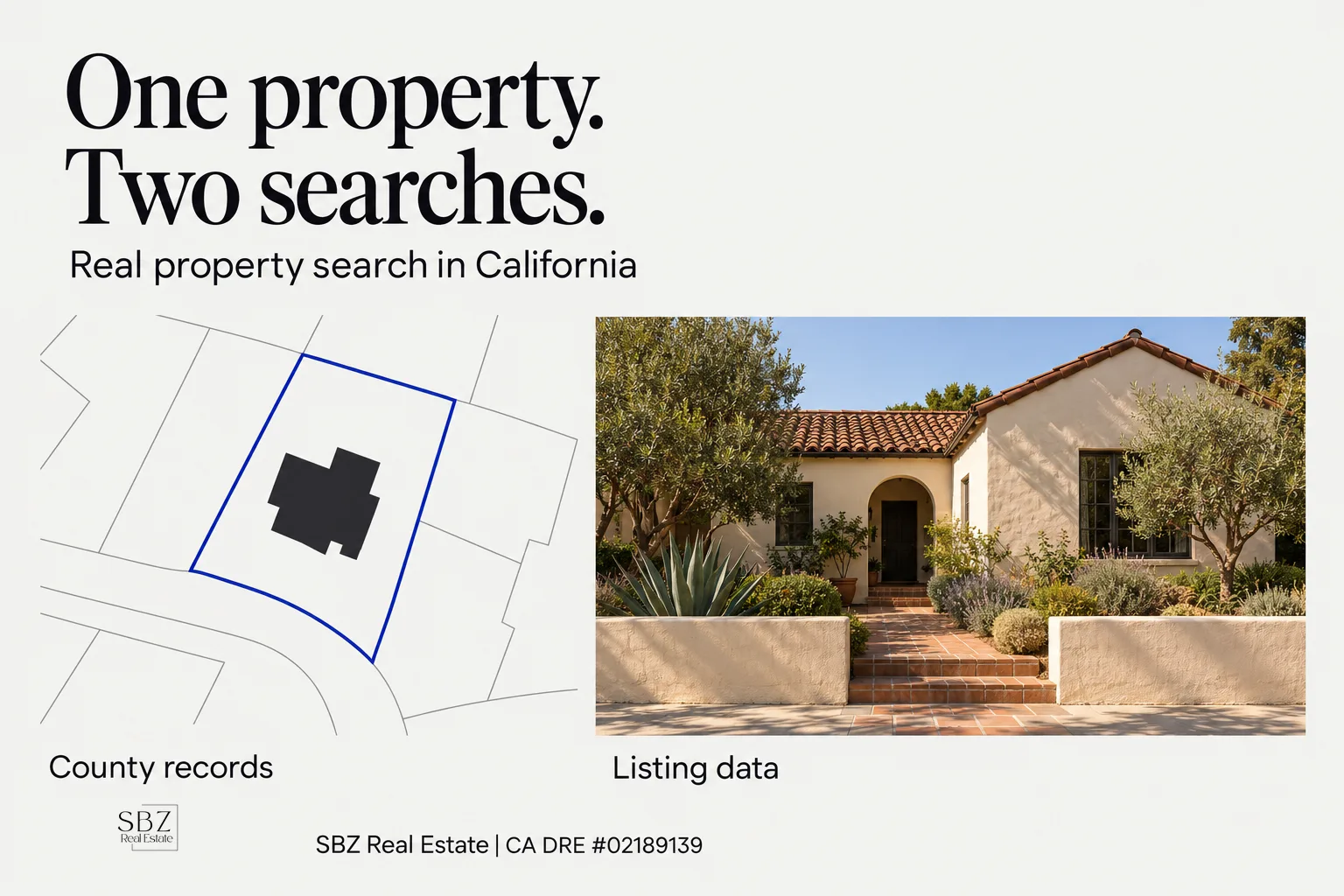

Real Estate Owned (REO): What Bank-Owned Homes Are and How to Buy One in California
Real estate owned, or REO, is a home a lender took back after a foreclosure auction failed to produce a buyer. Here is how bank-owned sales work and what California buyers should check first.
Read
Glendale, CA Real Estate: What Buyers and Sellers Should Know
Glendale real estate rewards local, block-by-block knowledge: the housing stock ranges from hillside houses to condos and small multi-unit buildings. Here is how buyers and sellers should approach it.
Read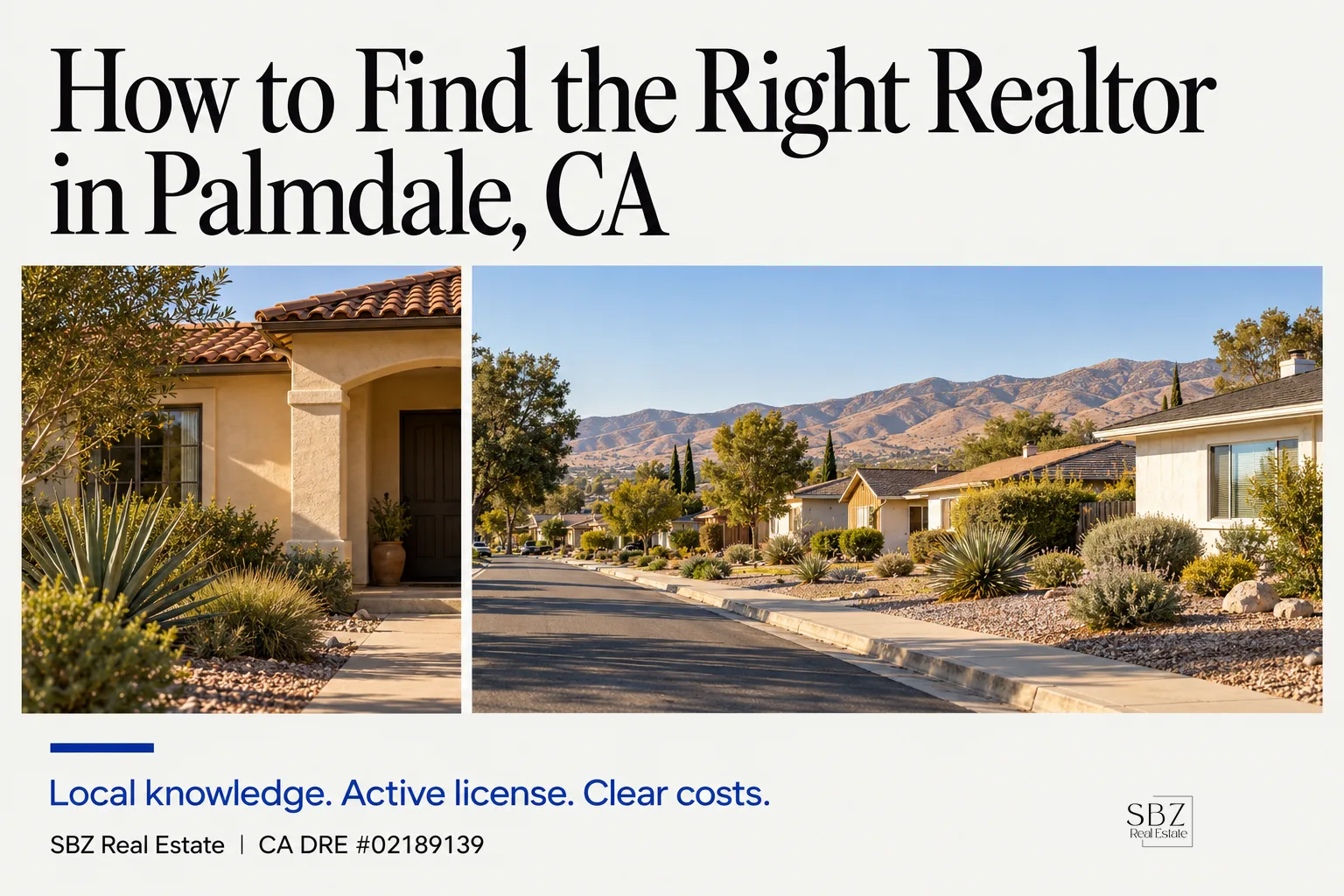
How to Find the Right Realtor in Palmdale, CA
The right Palmdale realtor knows the Antelope Valley block by block, holds an active California license, and explains costs plainly. Here's how to vet one before you sign.
Read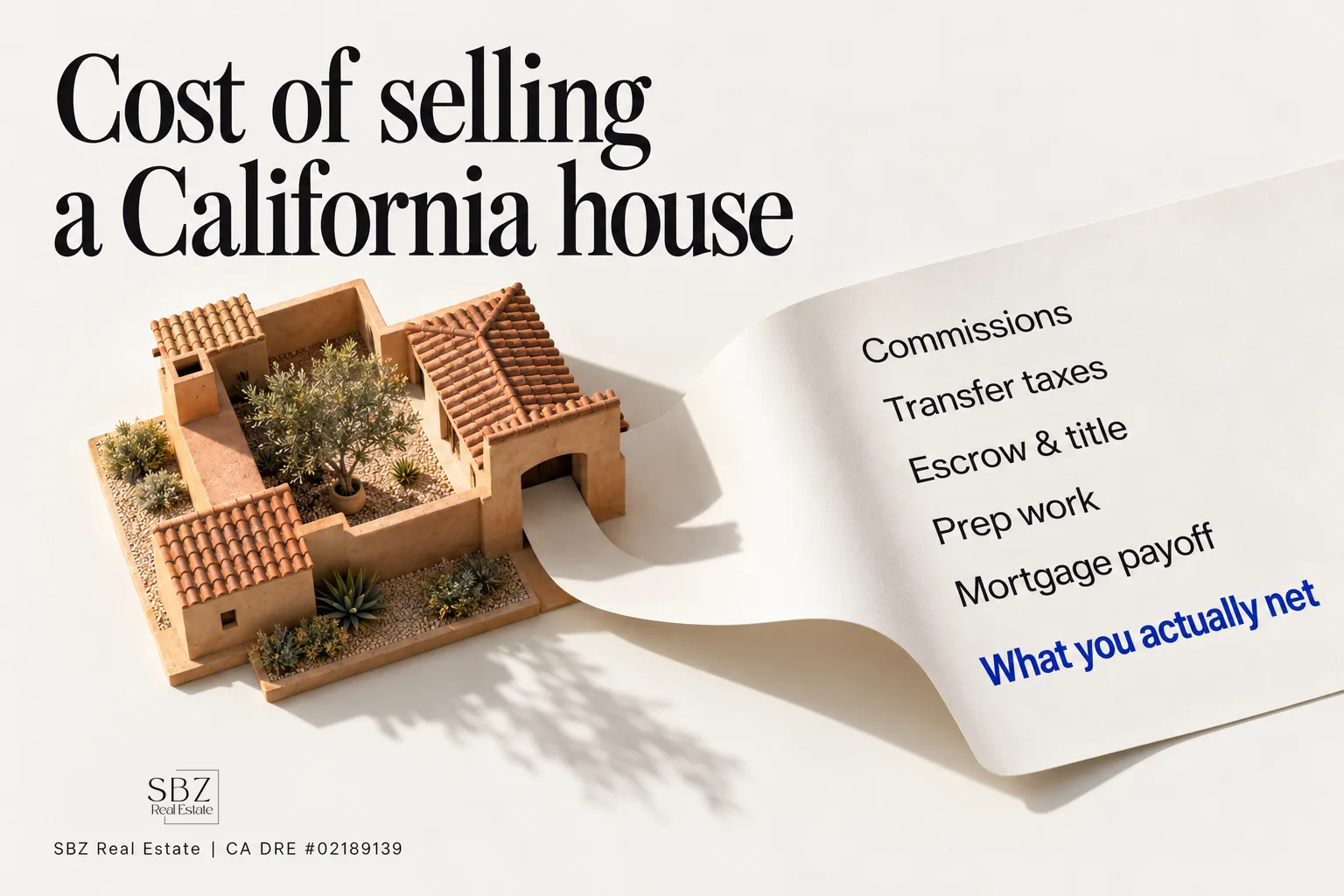
Cost of Selling a House in California: What Sellers Actually Pay
The cost of selling a house in California comes down to commissions, transfer taxes, escrow and title fees, and prep work. Here's what each costs and how to estimate your net.
Read
Los Angeles Multiple Listing Service: How It Works for Buyers and Sellers
There is no single Los Angeles multiple listing service. Several regional databases serve the area, and only licensed members can use them. Here's what that means for you.
Read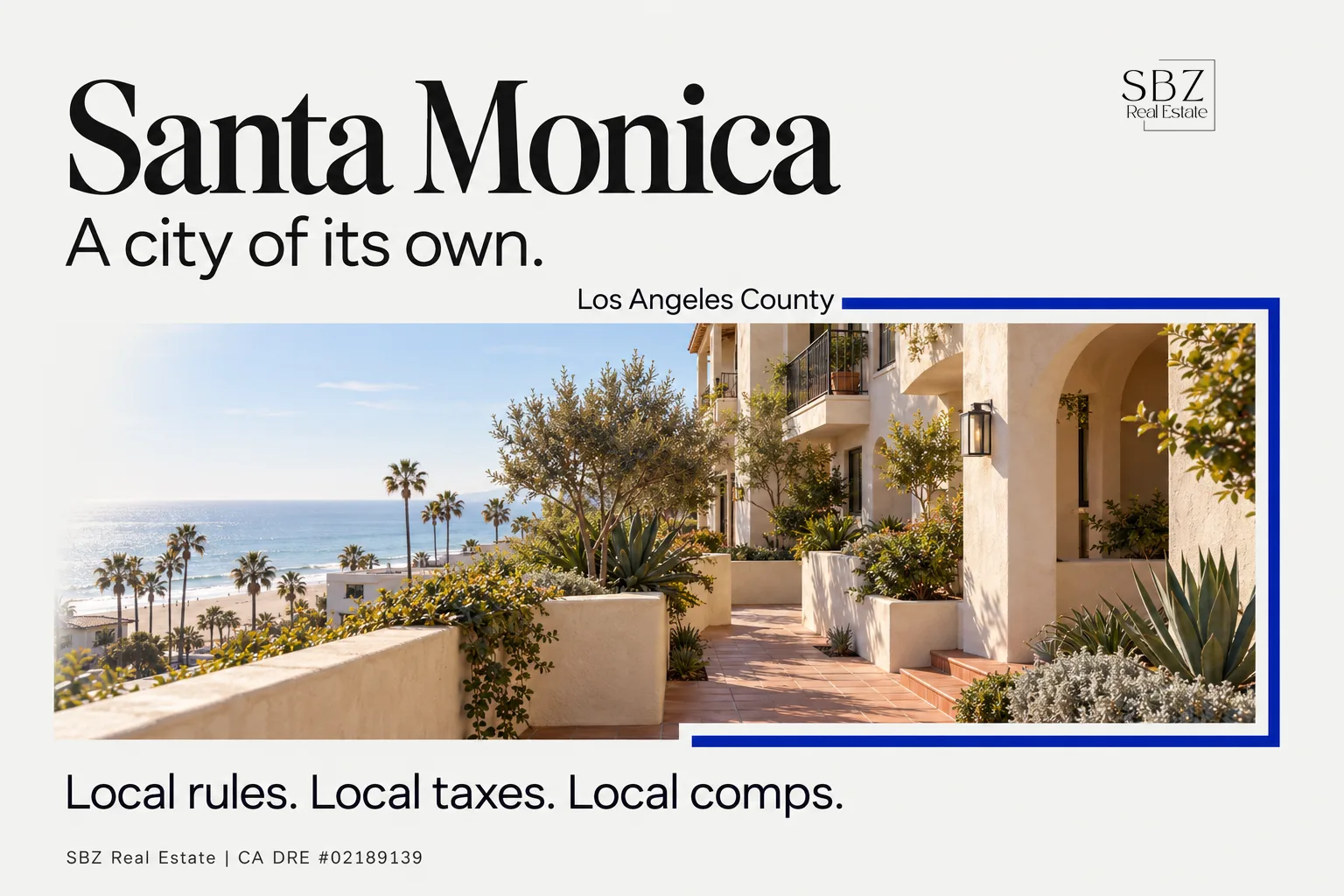
Real Estate in Santa Monica, Los Angeles: What Buyers and Sellers Should Know
Santa Monica is an independent coastal city inside Los Angeles County, with its own rules, taxes, and housing mix. Here is what buyers and sellers should understand before they start.
Read
Real Estate in Los Angeles and Beverly Hills: How the Two Markets Differ
Beverly Hills is a separate city inside Los Angeles County, and that changes how pricing, privacy, and city rules work for buyers and sellers. Here is what to know before you make a move.
Read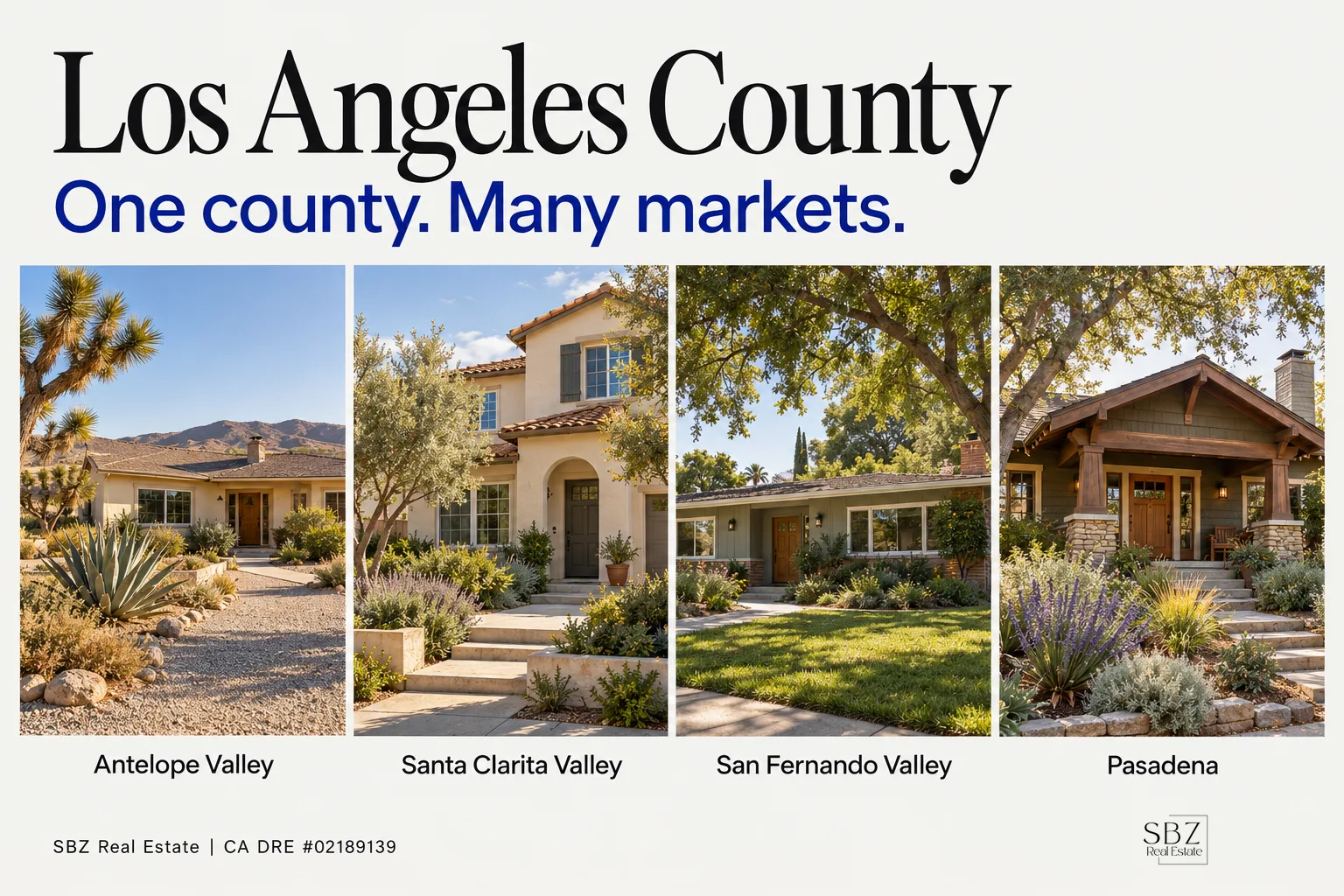
Real Estate in Los Angeles County: How the Market Really Works
Los Angeles County real estate is a collection of very different local markets, not a single one. Here is how to read the differences before you buy or sell.
Read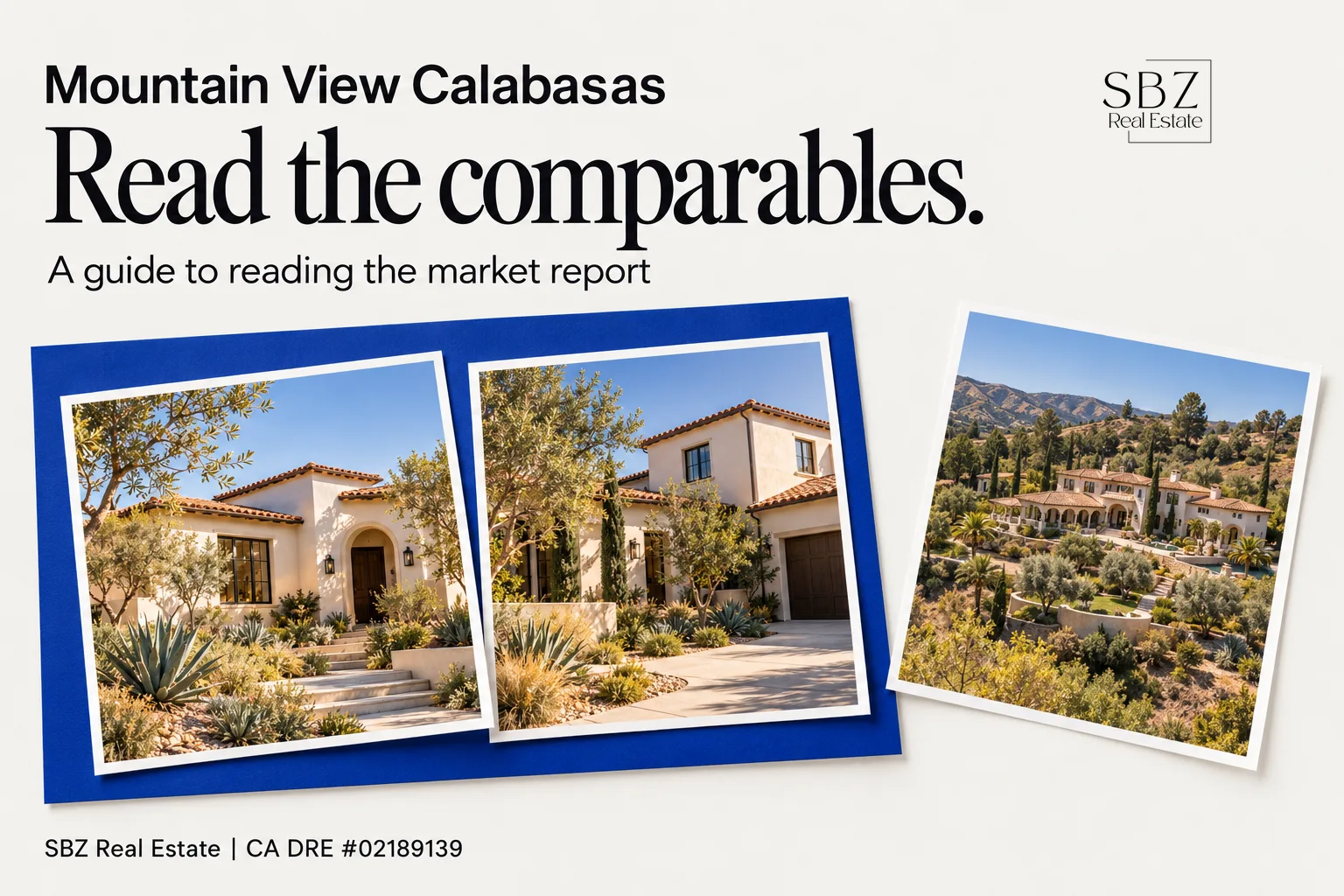
Mountain View Calabasas Market Report: How to Read the Numbers Before You Buy or Sell
A Mountain View Calabasas market report is only useful if it's built from recent, comparable sales. Here's what to look for, which numbers matter, and how to use one.
Read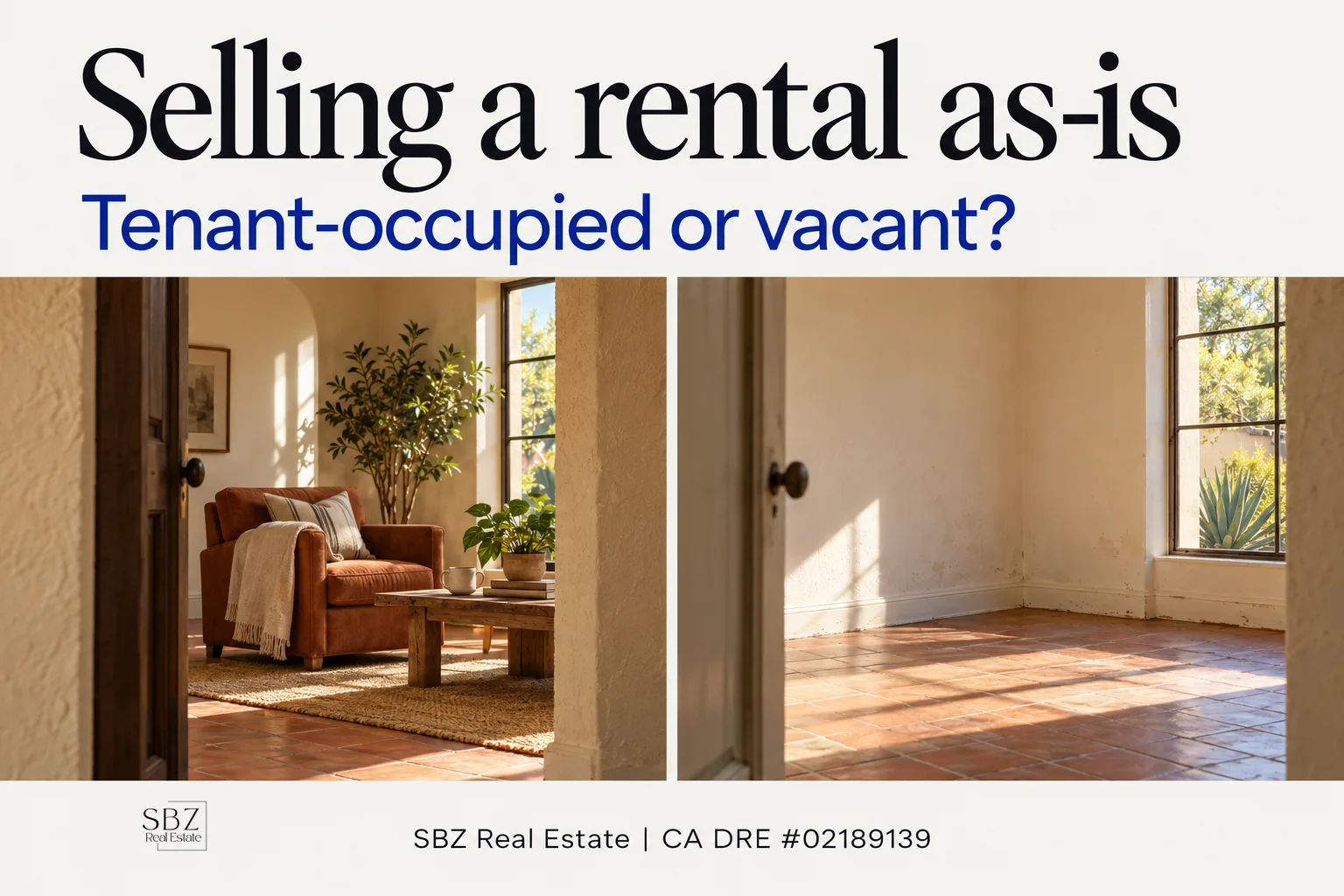
Selling a Rental Property As-Is in Southern California: What Landlords Should Know
Selling a rental as-is can work well in Southern California, but tenants, disclosures, and taxes change the plan. Here is how landlords can weigh vacant versus tenant-occupied.
Read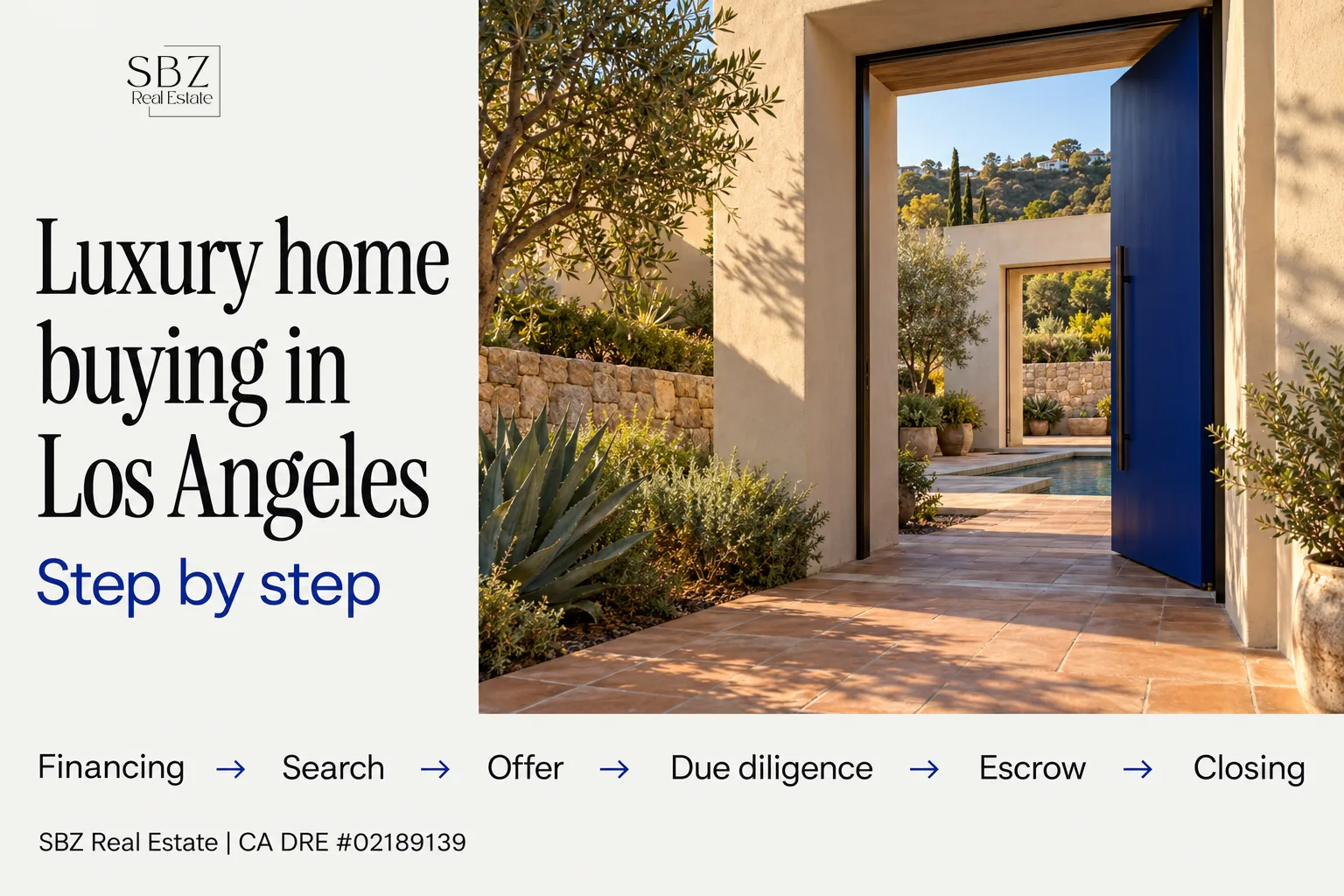
Luxury Home Buying Process in Los Angeles: How It Works, Step by Step
Buying a luxury home in Los Angeles follows the same legal path as any California purchase, but financing, due diligence, and privacy get more involved. Here is the process in order.
Read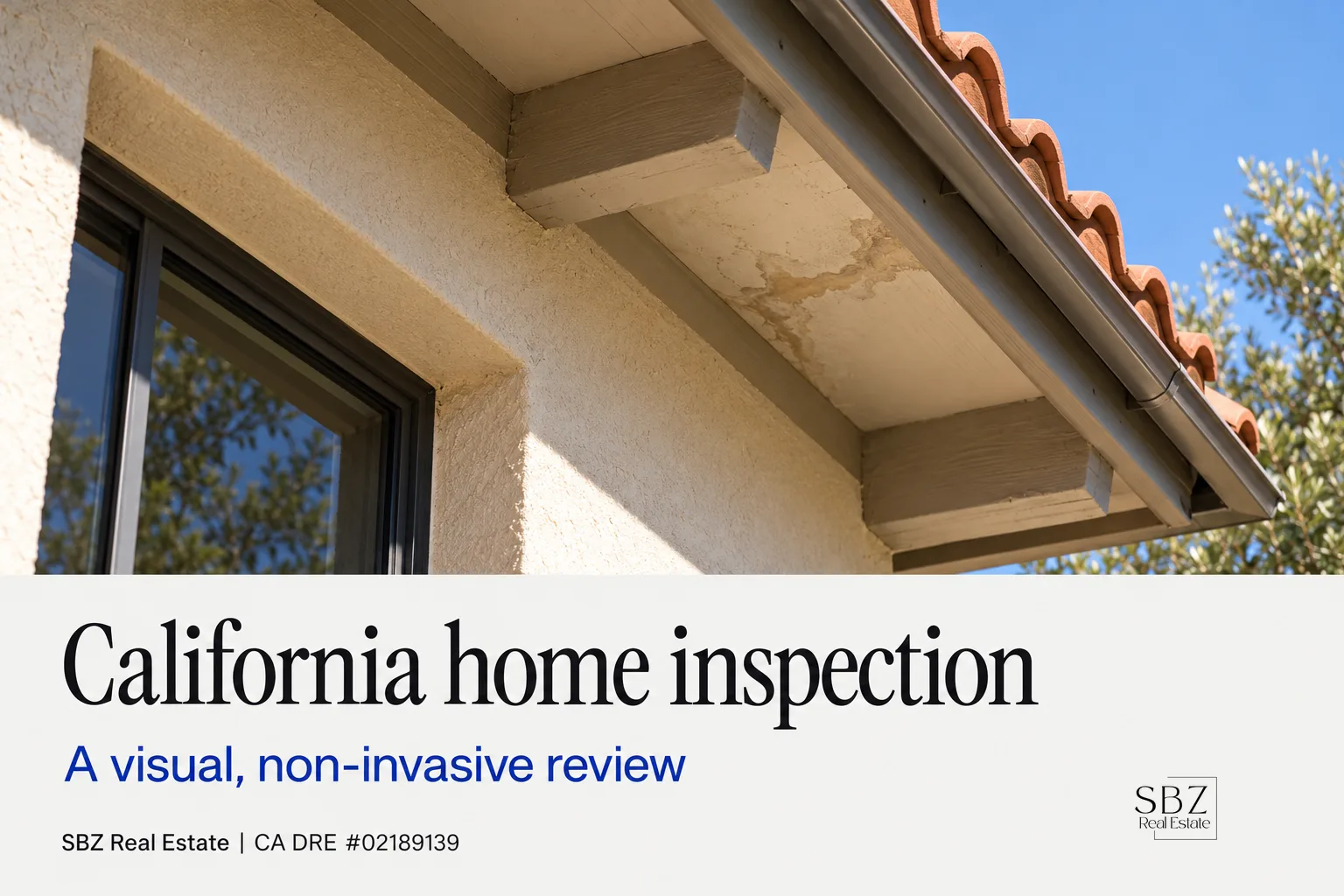
California Home Inspection: What It Covers, Who Does It, and How to Use the Report
A California home inspection is a visual, non-invasive review of a home's condition, and the state doesn't license general inspectors, so choosing one carefully matters.
Read
Buying a Home From the Owner in California: Steps, Risks, and Questions to Ask
Buying a home directly from the owner can work well in California, but without an agent on the other side you must manage disclosures, pricing, and paperwork yourself.
Read
Real Estate Consultant: What They Do, What They Cost, and When a Broker Is the Better Fit
A real estate consultant gives advice on property decisions, while a licensed broker can also represent you in the transaction. Here is how the two differ and how to choose.
Read
Cost Per Sq Ft to Build a Home in Southern California: What the Number Includes
Cost per square foot to build a home is a useful yardstick, but it only means something once you know what's included. Here's how to read it, budget around it, and compare it to buying.
Read
How Much Does It Cost to Build a Tiny Home in California?
There is no single price for a tiny home in California. The structure is only part of it; land, permits, utility connections, and site work shape the real total.
Read
Affordable Homes for Sale in Southern California: Where to Look and What to Know
Affordable homes for sale in Southern California exist, but you have to look beyond the sticker price. Here's how a local broker thinks about where to search, which costs matter, and how assistance programs fit in.
Read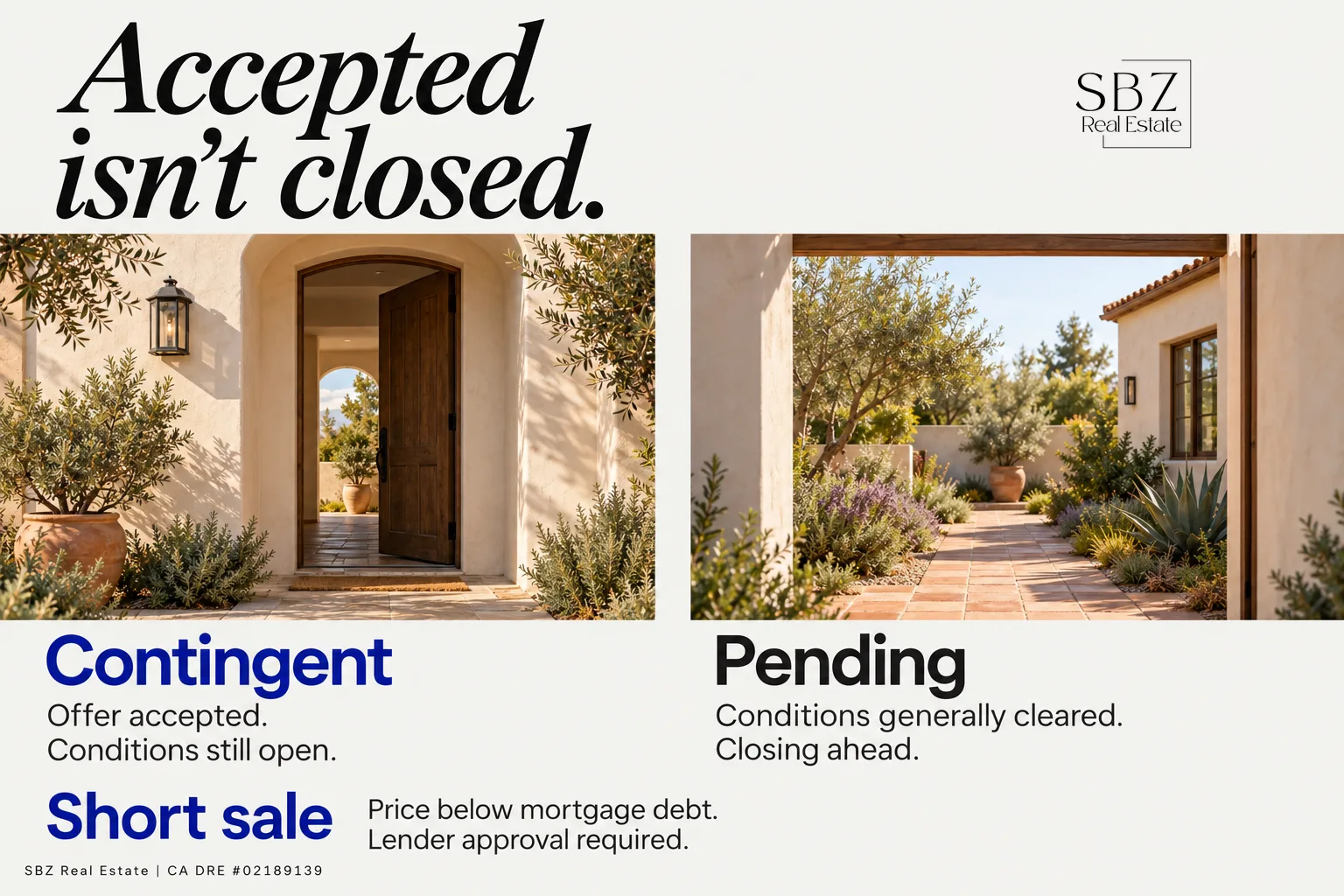
Real Estate Meaning: Contingent, Short Sale, and Other Listing Terms Explained
In real estate, "contingent" means an offer has been accepted but still depends on conditions being met. Here is what that and other common listing terms mean for California buyers and sellers.
Read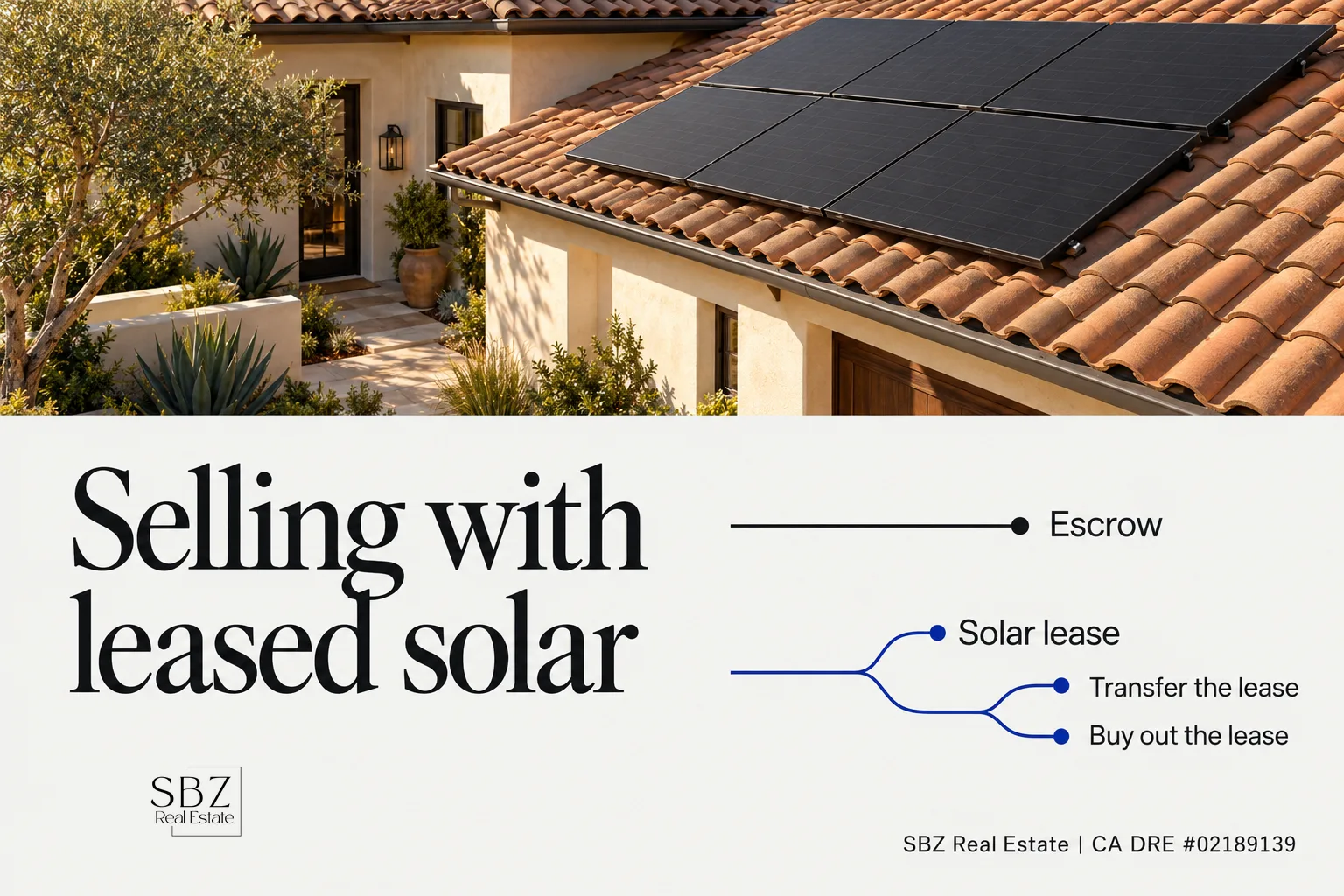
Selling a House With a Solar Panel Lease: What California Sellers Need to Know
You can sell a house with leased solar panels. Most sellers either transfer the lease to the buyer or buy it out, and the key is starting that process early so it doesn't hold up escrow.
Read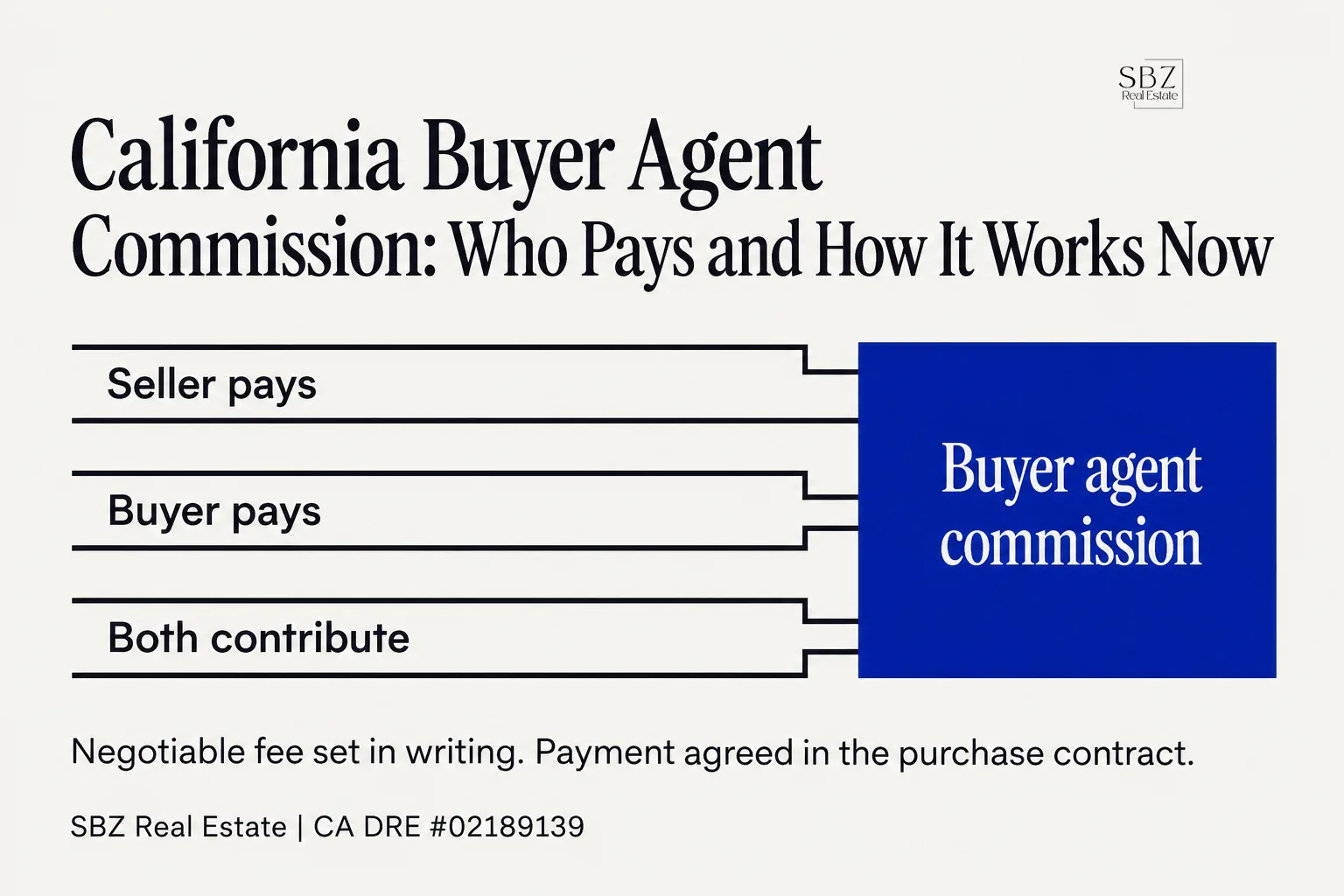
California Buyer Agent Commission: Who Pays and How It Works Now
In California, buyer agent commission is negotiable. It is set in a written agreement you sign, and the seller, the buyer or both can pay it, depending on what the purchase contract says.
Read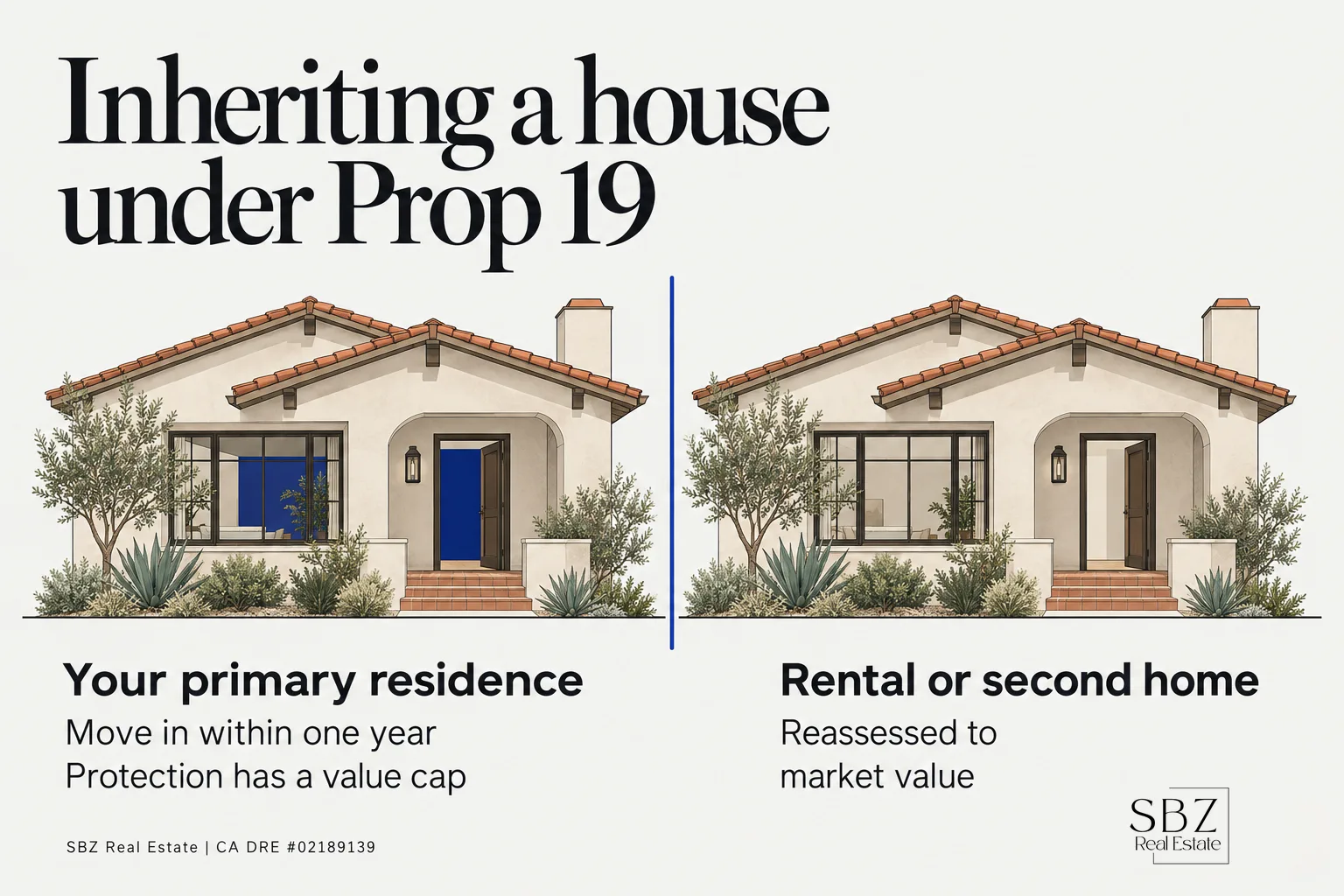
Inheriting a House in California Under Prop 19: What Changes and What to Do Next
Under Prop 19, an inherited California home keeps the parent's tax base only if the child moves in within one year, and only up to a value cap. Rentals and second homes are reassessed to market value.
Read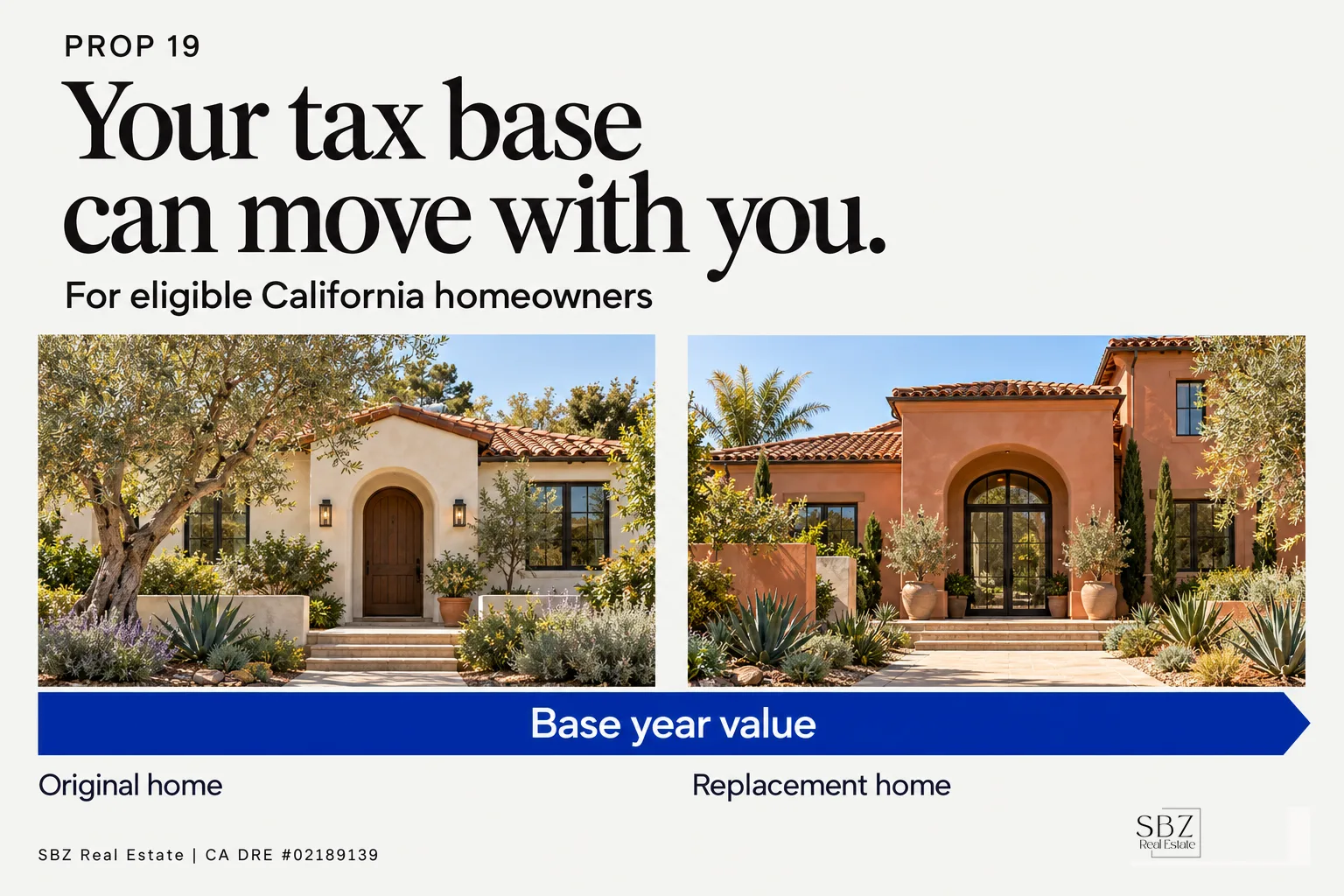
How to Transfer Your Property Tax Base in California Under Prop 19
Under Prop 19, eligible California homeowners can carry their low property tax base to a replacement home anywhere in the state by meeting the timing rules and filing a claim with the county assessor.
Read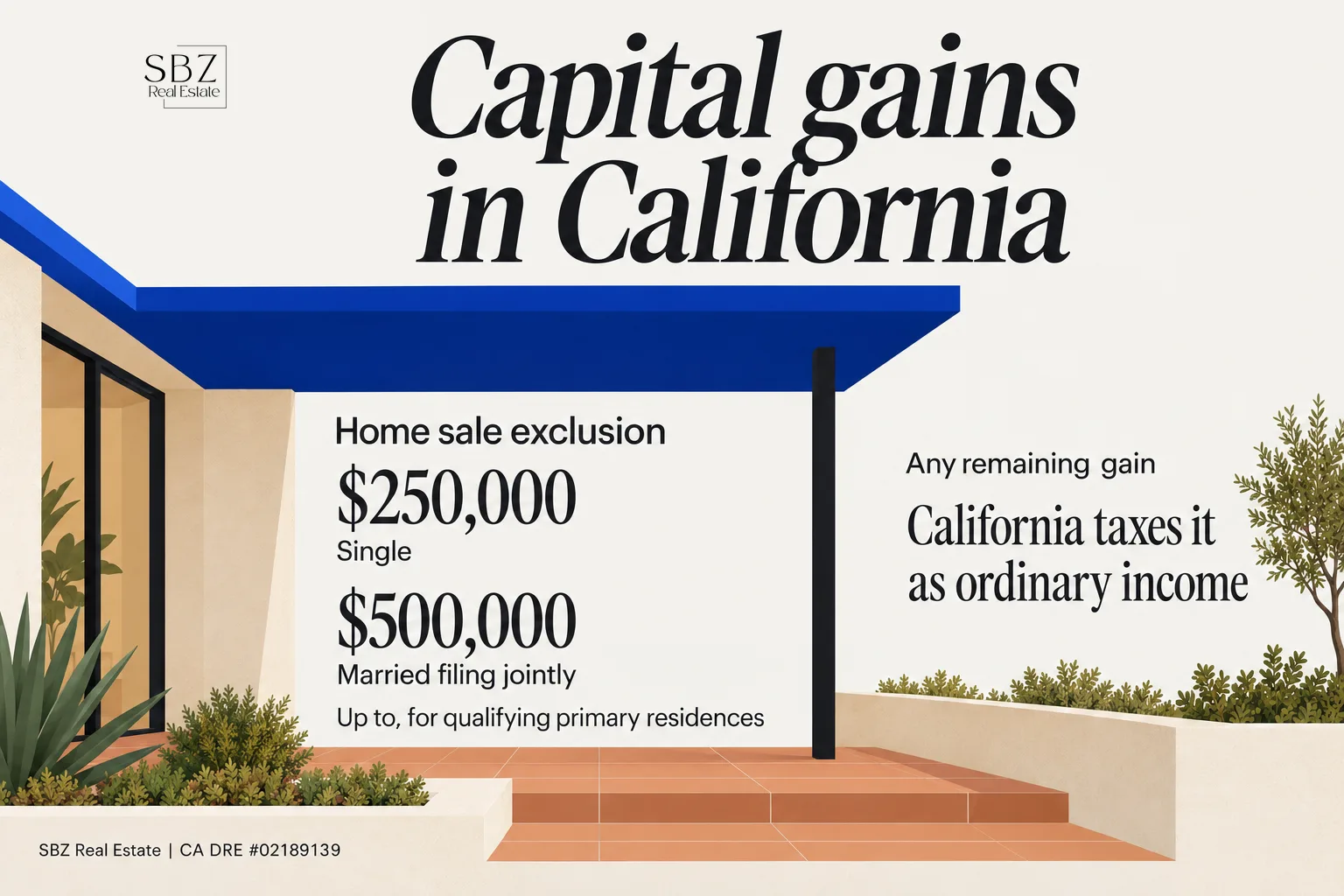
Capital Gains on Selling a House in California: What Sellers Actually Owe
Most California homeowners who sell a primary residence owe little or no capital gains tax thanks to the federal home sale exclusion, but California taxes any remaining gain as ordinary income.
Read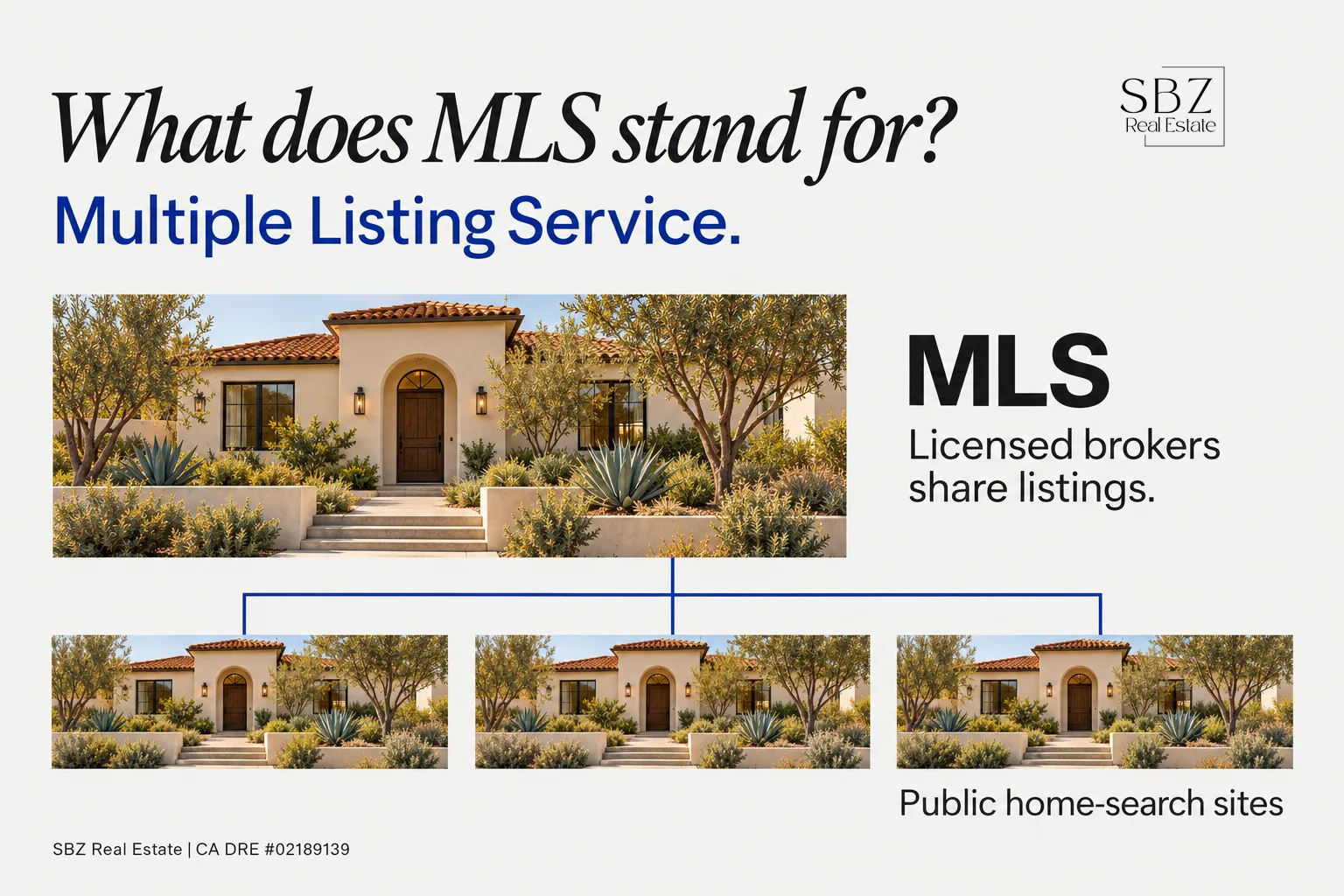
What Does MLS Stand For in Real Estate? A Local Broker Explains
MLS stands for Multiple Listing Service, a private database where licensed brokers share listings. It's the main source behind most home searches, including the big public sites.
Read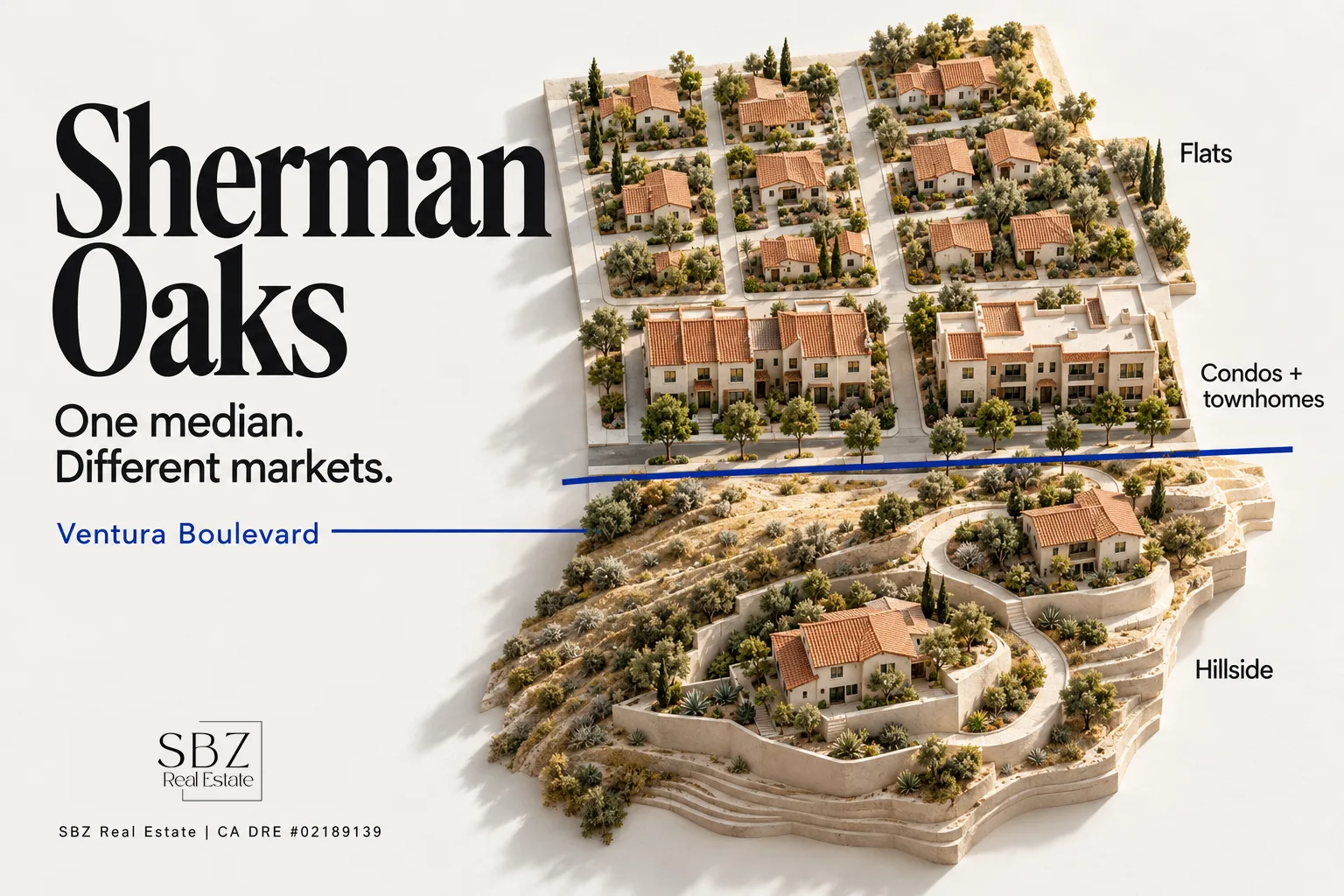
Sherman Oaks Real Estate Data Report: How to Read the Numbers That Matter
A Sherman Oaks real estate data report tracks prices, inventory, and time on market. Its numbers only help when you read them by property type and by which side of Ventura Boulevard the home is on.
Read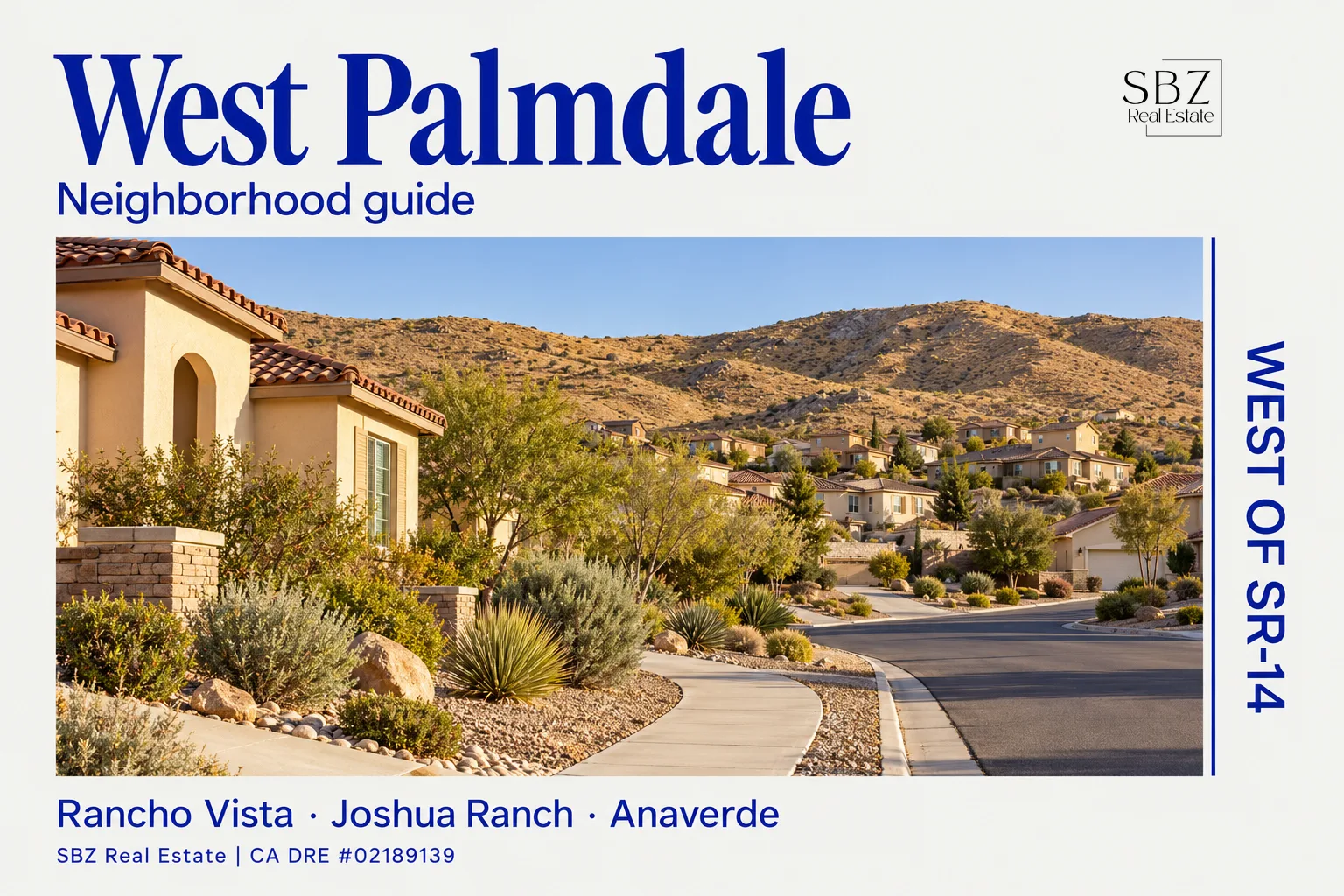
West Palmdale, CA Neighborhood Guide: What Buyers and Sellers Should Know
West Palmdale is the newer, hillside side of Palmdale, with planned communities like Rancho Vista and Anaverde. This guide covers the main areas, the types of homes, commute notes and what to check before you buy or sell.
Read
How Much to Put Down on a House: A Southern California Broker's Guide
Most buyers don't need 20% down. Depending on the loan, the minimum ranges from 0% to 3.5%, and the right amount depends on your monthly comfort, your reserves, and how strong an offer you want to make.
Read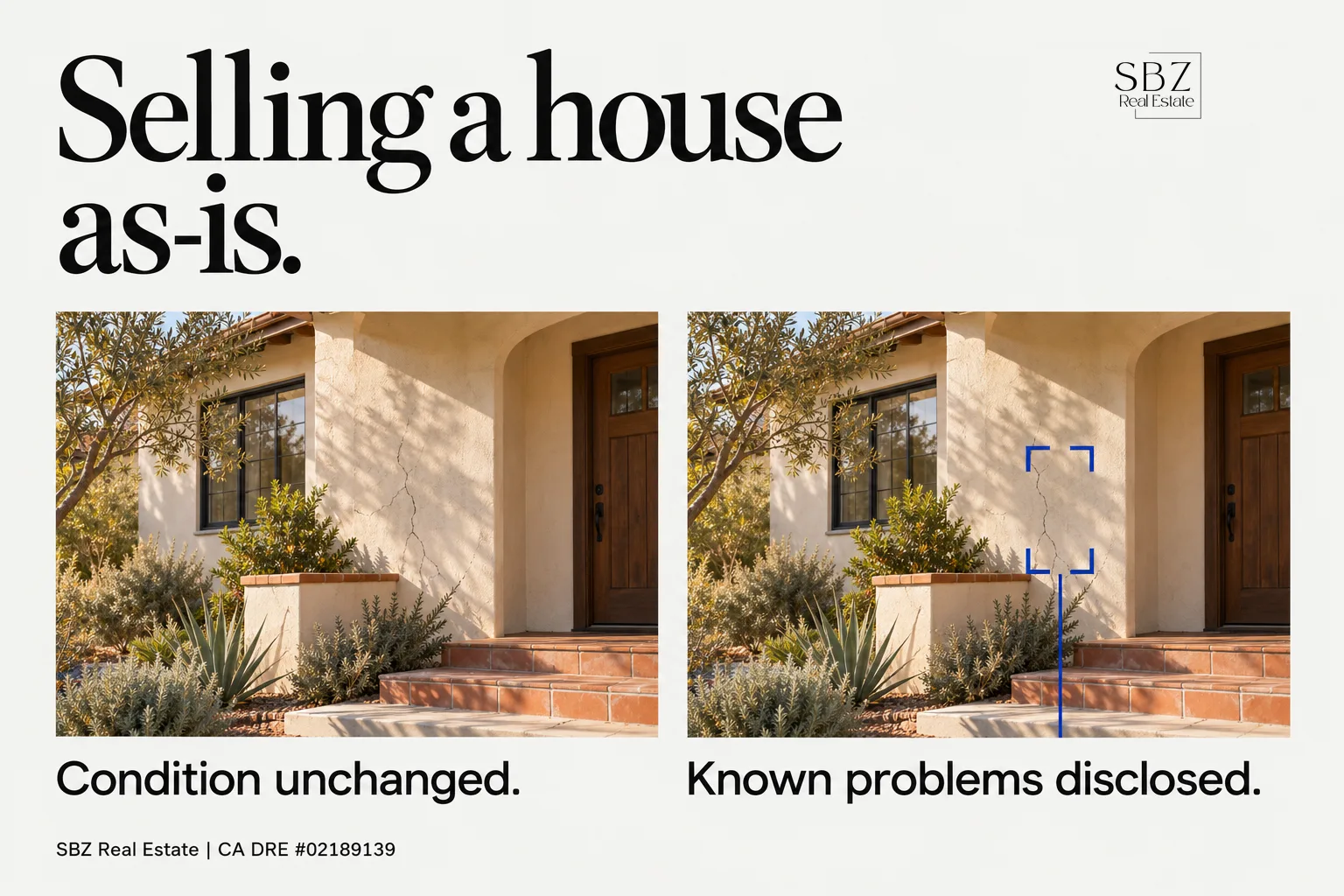
How to Sell a House As-Is in Southern California: What Sellers Should Know
Selling as-is in Southern California means you make no repairs, but California's seller disclosure duties still apply in full. Your choice of buyer and how you price the home decide what you take home.
Read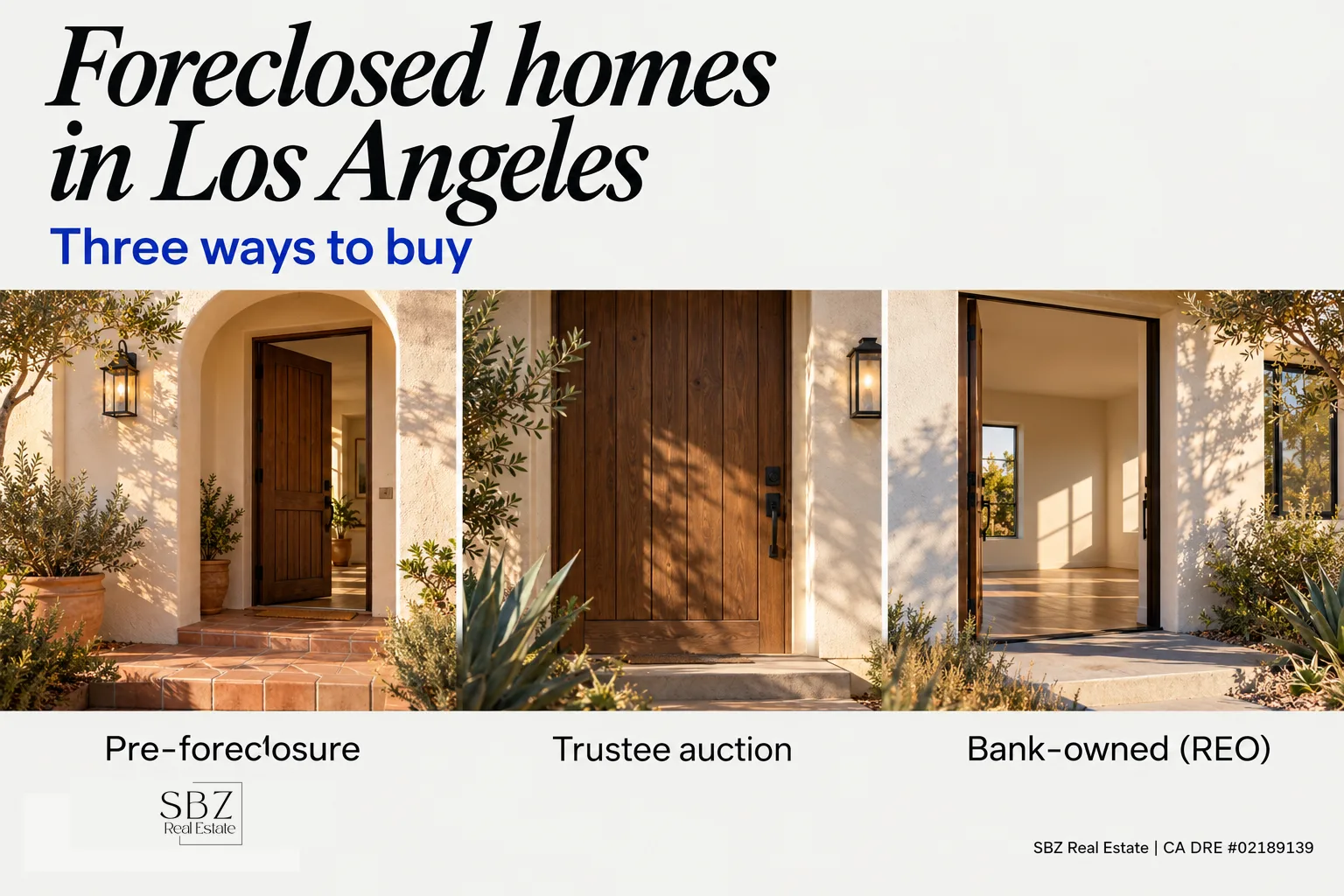
Foreclosed Homes in Los Angeles: How Buyers Actually Find and Buy Them
Foreclosed homes in Los Angeles come up for sale in three ways: pre-foreclosure, trustee auction, and bank-owned (REO). Each one carries its own rules, risks, and financing limits, and buyers should know them before making an offer.
Read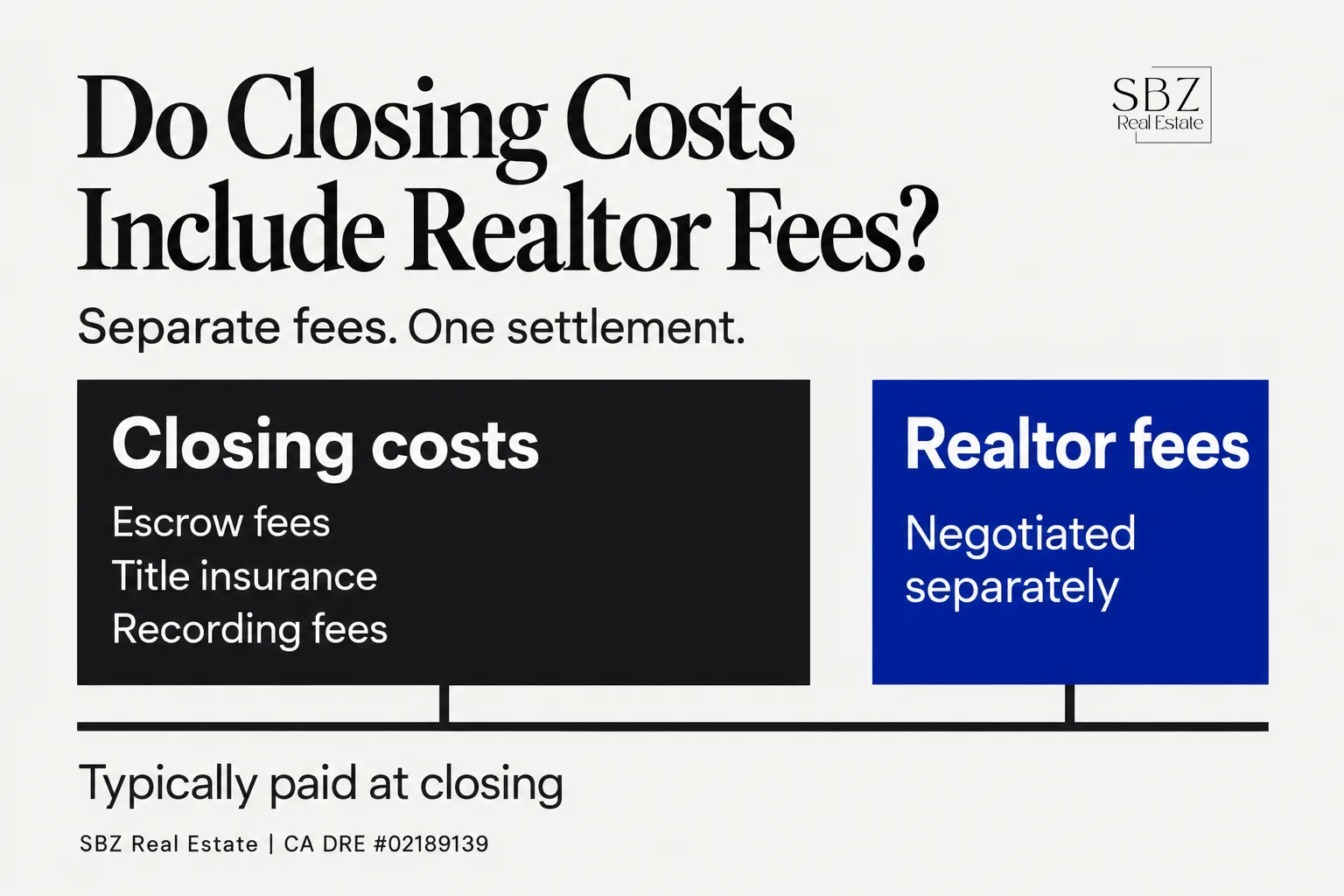
Do Closing Costs Include Realtor Fees? How Commissions Work in California
Realtor fees are usually paid at closing out of the sale proceeds, but they're a separate, negotiated line item, not one of the standard closing costs. Since 2024, buyers may also pay their own agent.
Read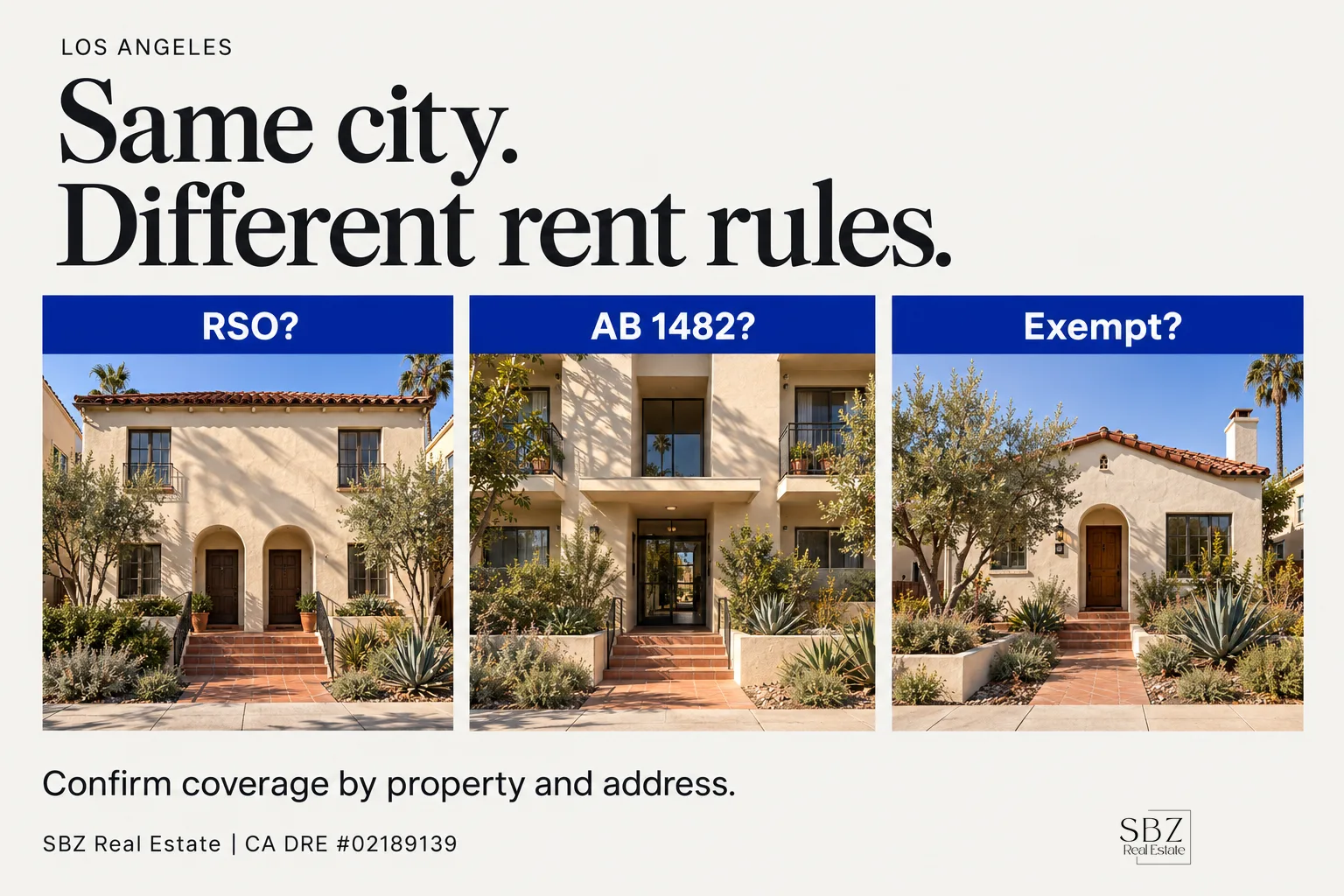
How Much Can a Landlord Raise Rent in Los Angeles? The Rules by Property Type
In Los Angeles, the legal rent increase depends on the unit: rent-stabilized RSO units follow a city-set annual percentage, most others follow state law AB 1482, and some are exempt.
Read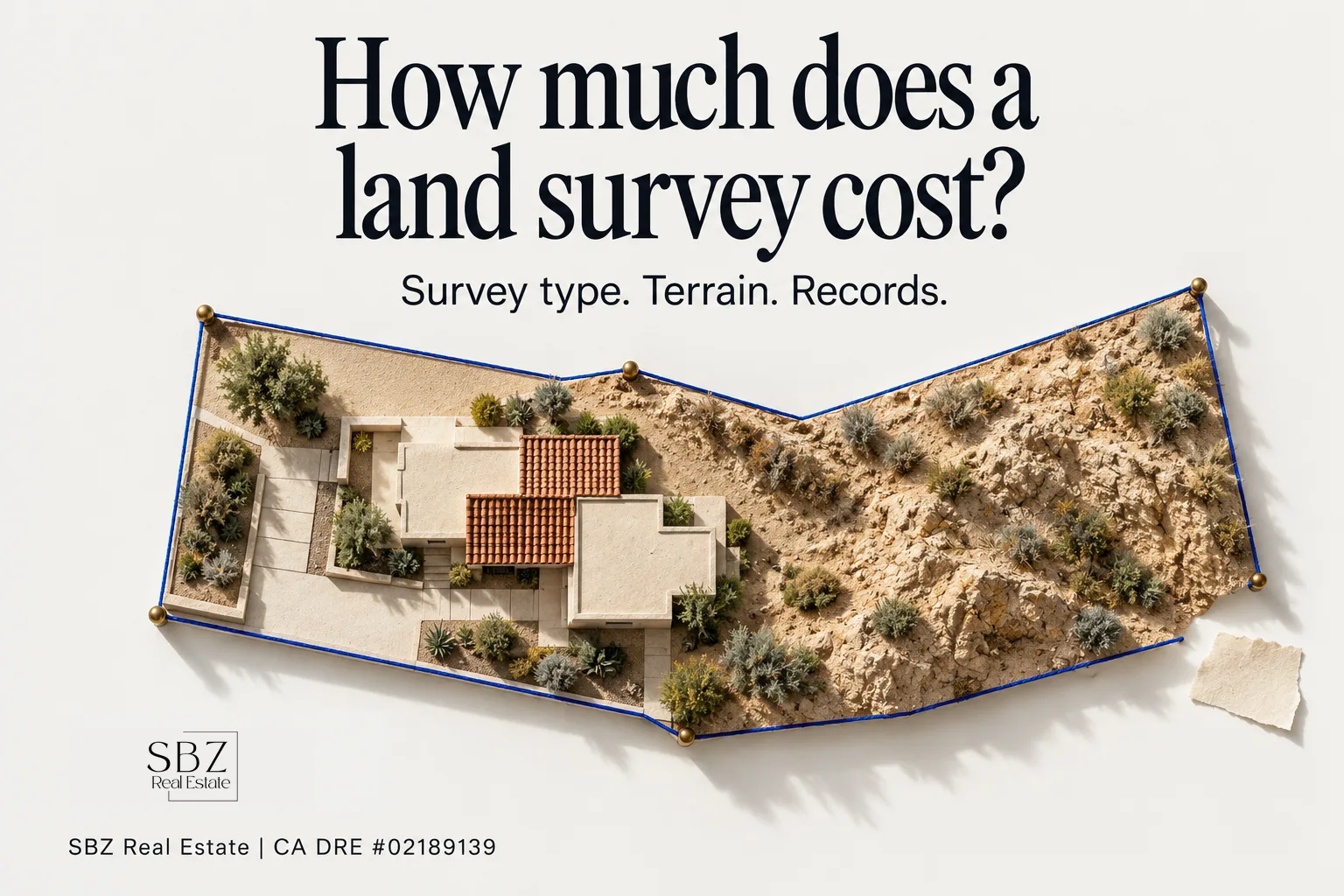
How Much Does It Cost to Get Land Surveyed in Southern California?
A land survey's cost depends on the type of survey, the size and terrain of the parcel, and how good the existing records are, so the only reliable number is a written quote from a licensed surveyor.
Read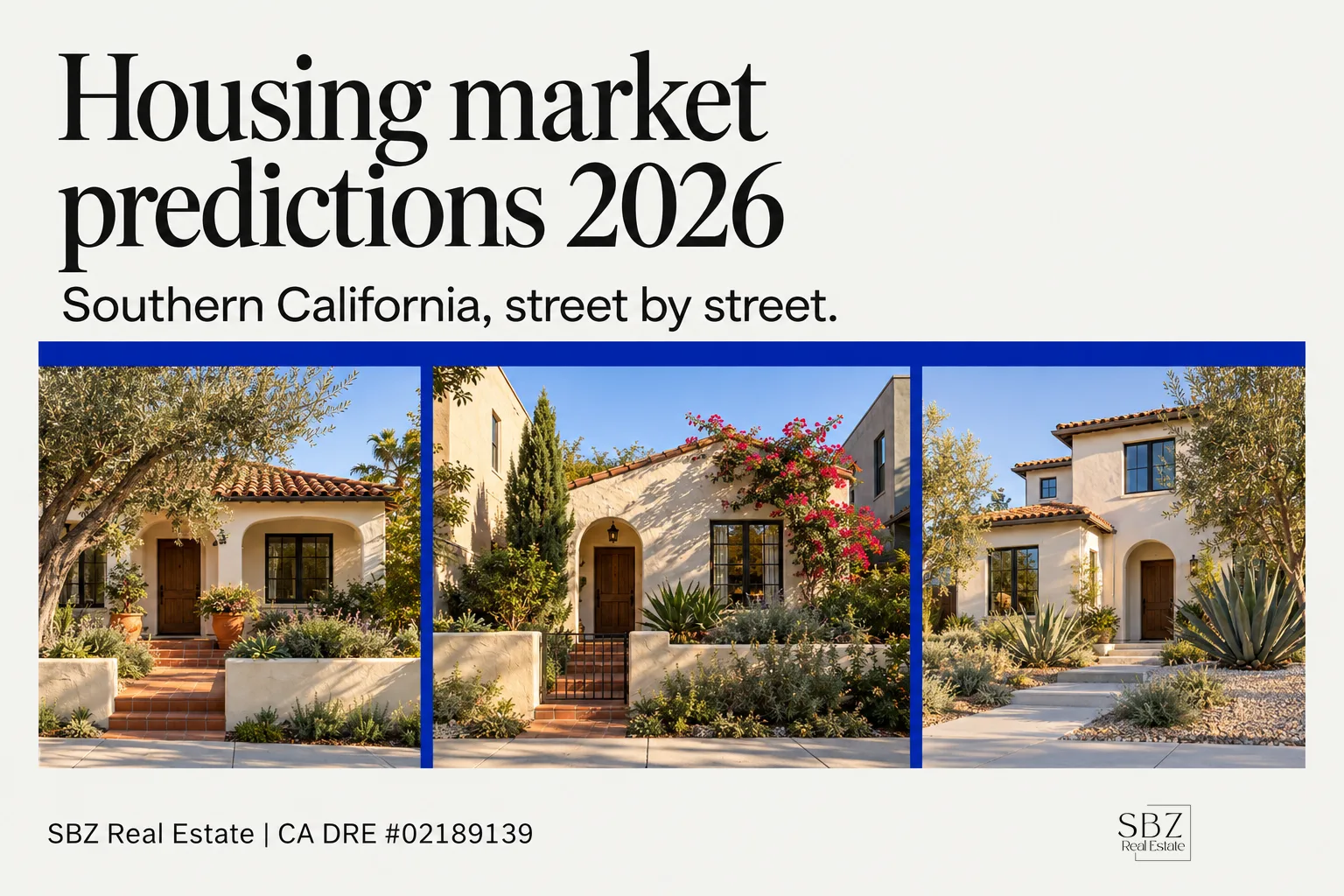
Housing Market Predictions 2026: What the Forecasts Mean for Southern California
Most 2026 housing market predictions called for a gradual year, not a crash or a boom. In Southern California, what matters most is your neighborhood, your price point, and your timing.
Read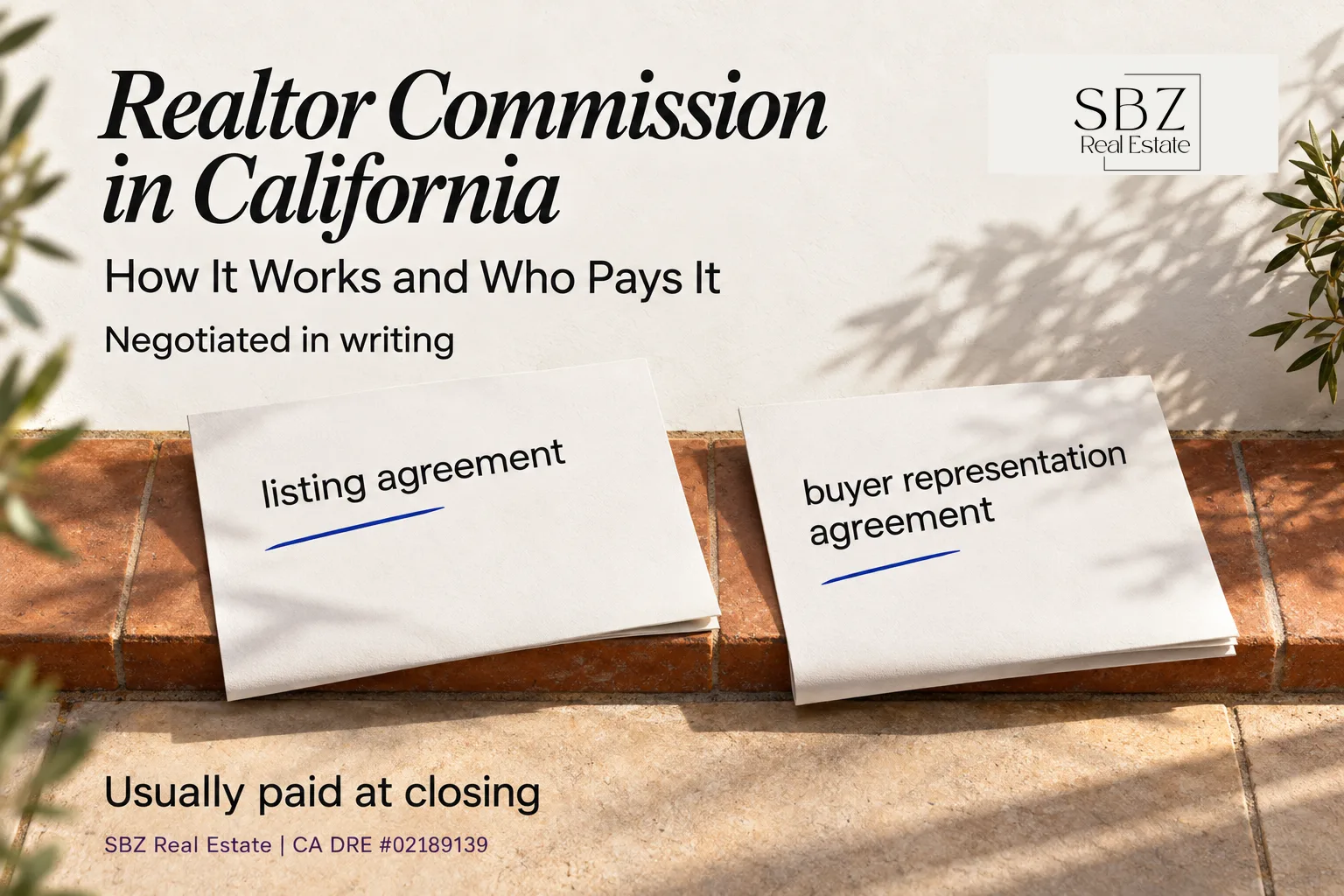
Realtor Commission in California: How It Works and Who Pays It
California realtor commission is not set by law. It is negotiated in writing, usually paid at closing, and since 2024 buyer and seller compensation are handled separately.
Read
Buying a Home Privately in Los Angeles: Trusts, LLCs, and Keeping Your Name Off the Record
Los Angeles buyers can use a revocable living trust, LLC, or land trust to keep their name off the public deed — but each structure has real legal and financing tradeoffs to understand before you close.
Read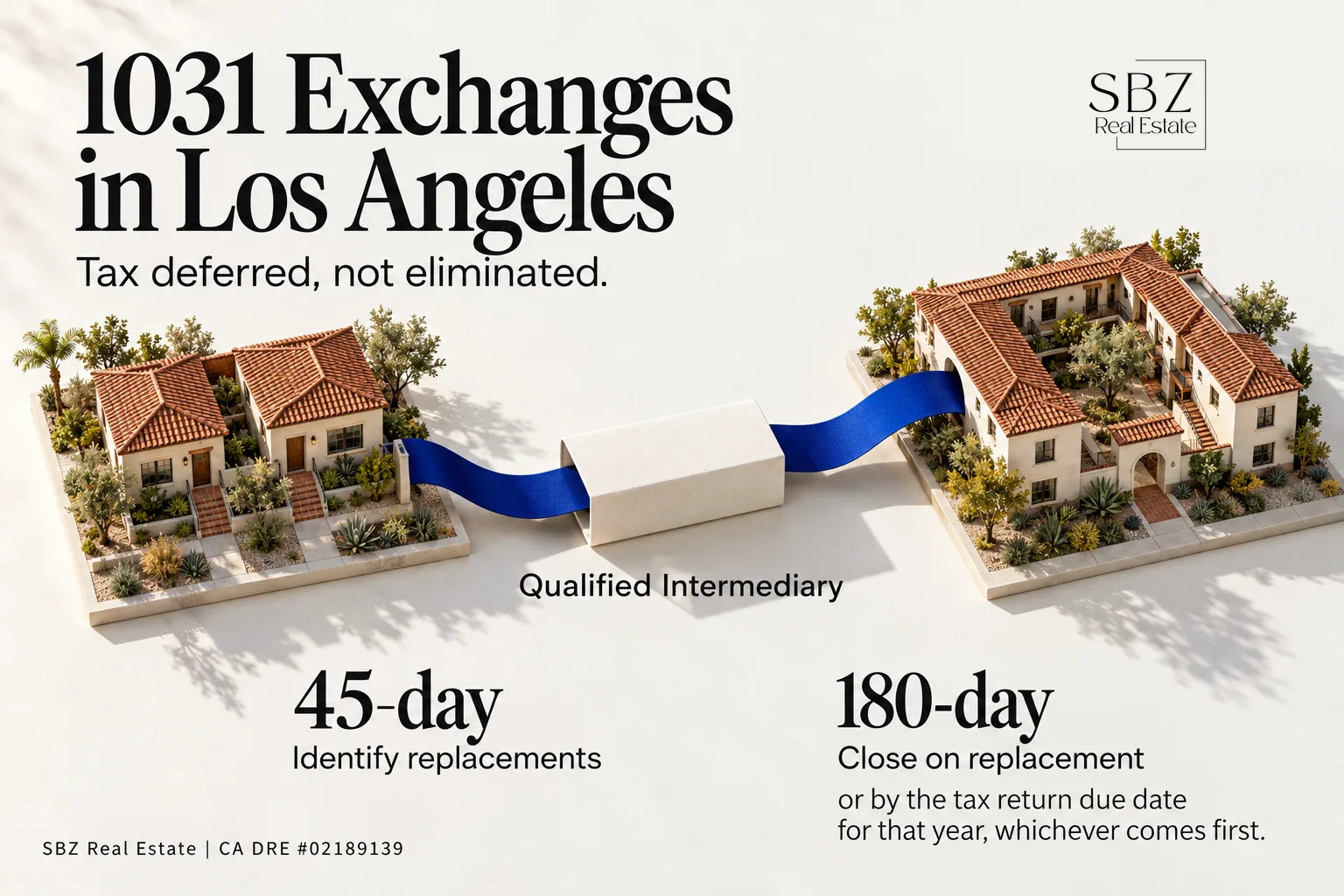
1031 Exchanges in Los Angeles: How Sellers Roll Gains Into the Next Property
A 1031 exchange lets you sell an investment property and defer the capital gains tax — but the 45-day and 180-day deadlines are firm, and California adds a wrinkle worth knowing.
Read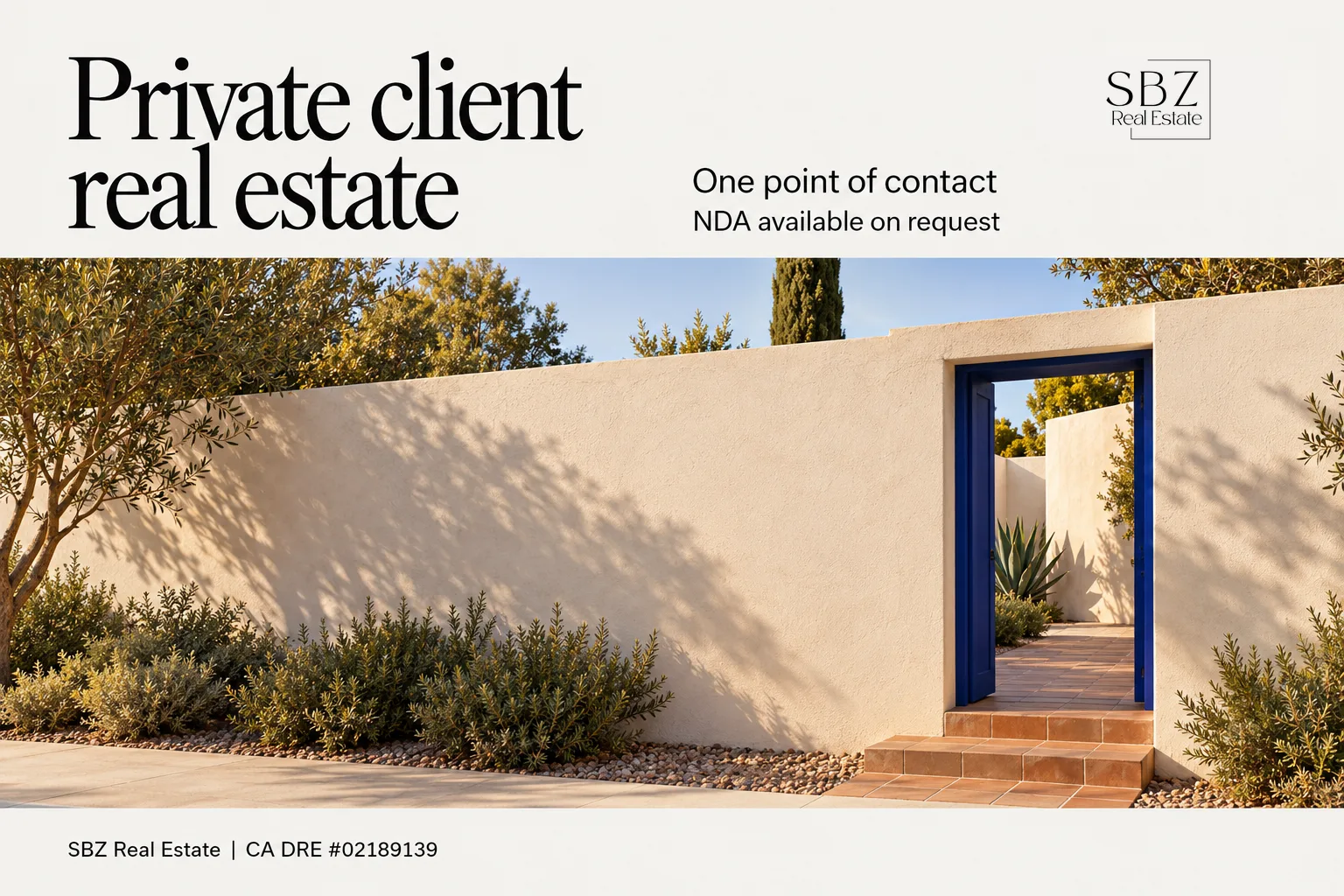
Private Client Real Estate: What NDA-Backed, One-Point-of-Contact Brokerage Means
Private client real estate at SBZ Real Estate means one dedicated broker manages every detail — with NDA-backed discretion, off-market options, and no public exposure of your identity.
Read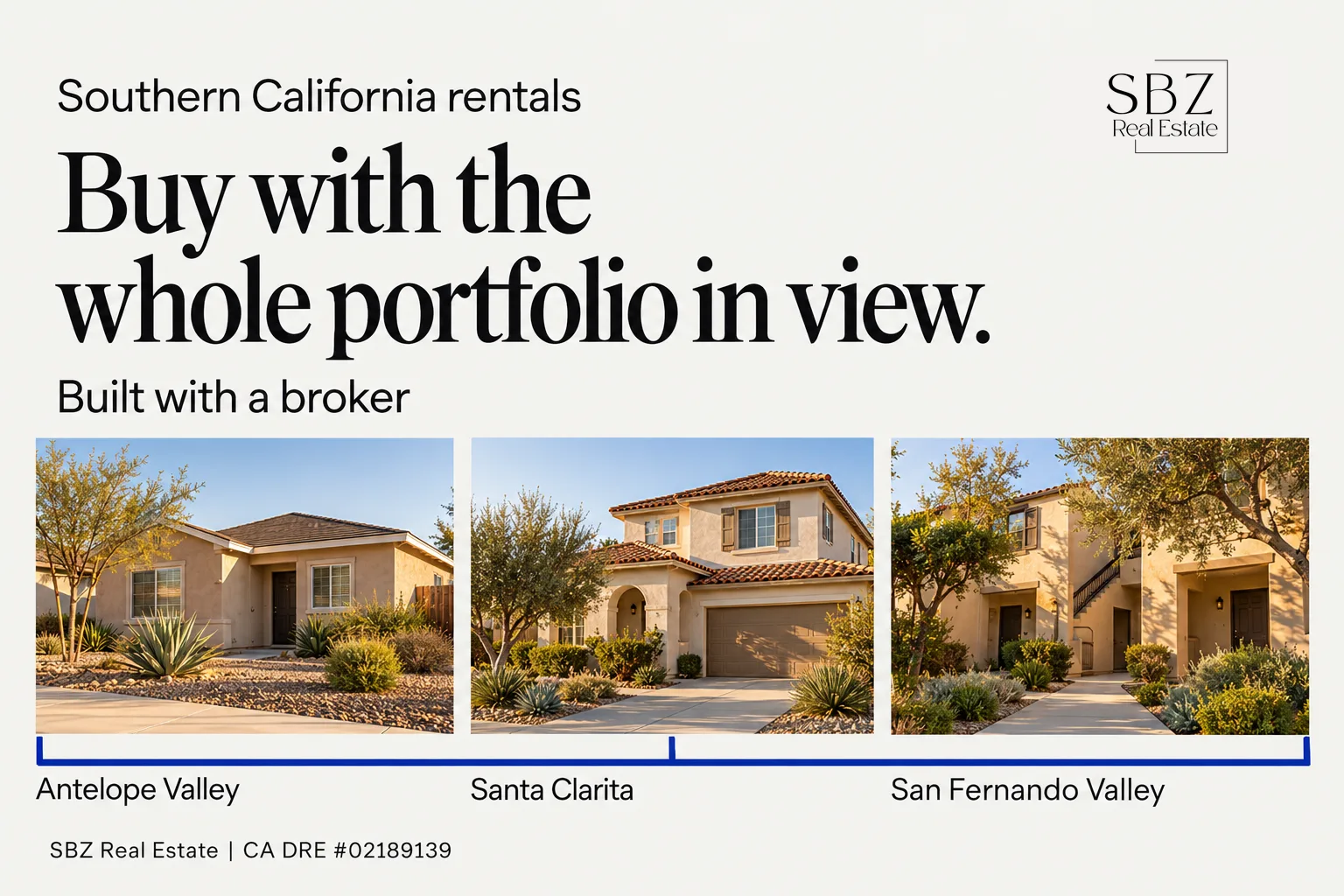
How Real Estate Investors Build a Southern California Rental Portfolio With a Broker
Building a rental portfolio in Southern California takes market knowledge, disciplined deal analysis, and a broker who knows how each acquisition fits the long-term picture. Here's how it works in practice.
Read
Selling a Luxury Home in Calabasas, Hidden Hills, or Encino: Pricing, Staging, and Discretion
Selling a luxury home in Calabasas, Hidden Hills, or Encino requires nuanced pricing, high-end staging, and the option to keep your sale completely private.
Read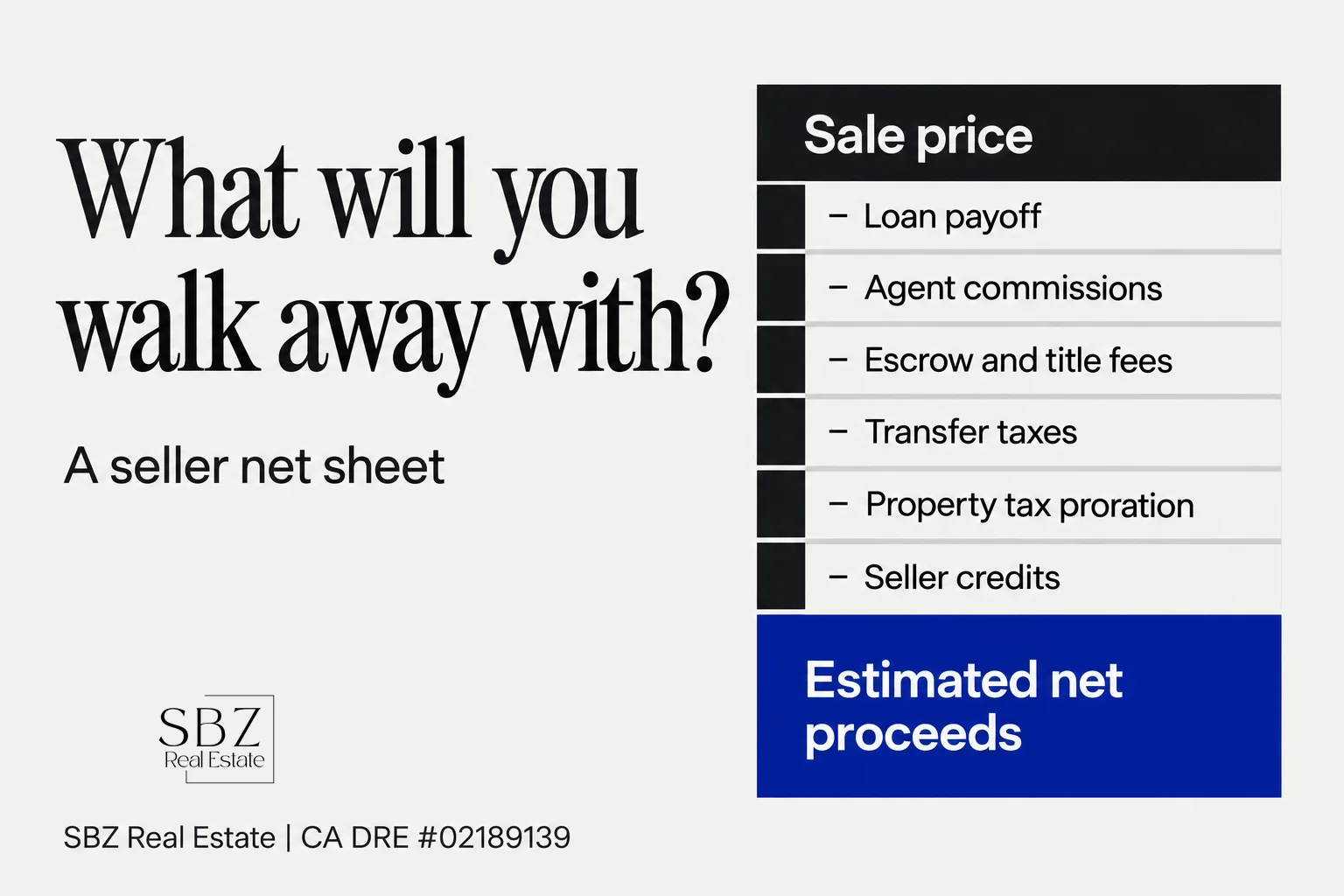
What's the Advantage of Providing a Seller Net Sheet?
A seller net sheet turns the gross sale price into the number that actually lands in your account — and providing one early gives sellers the clarity to negotiate, compare offers, and close with confidence.
Read
How to Sell Your Home Fast in Southern California
Selling fast in Southern California comes down to three things: the right price, solid preparation, and smart exposure. Here's what actually moves the needle.
Read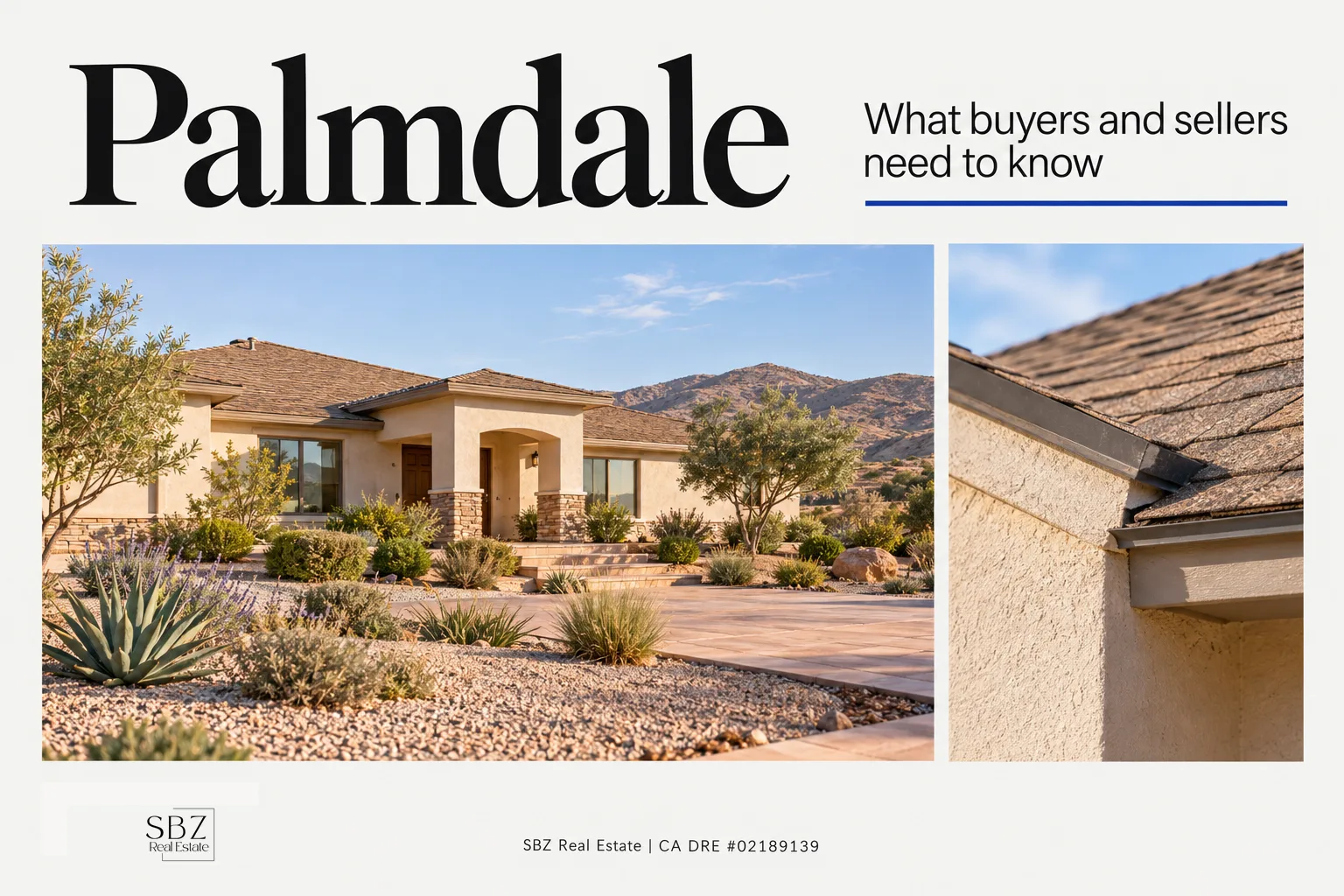
Palmdale Real Estate: What Buyers and Sellers Need to Know
Palmdale offers some of the most accessible homeownership opportunities in Los Angeles County — here is what buyers and sellers need to know before making their move.
Read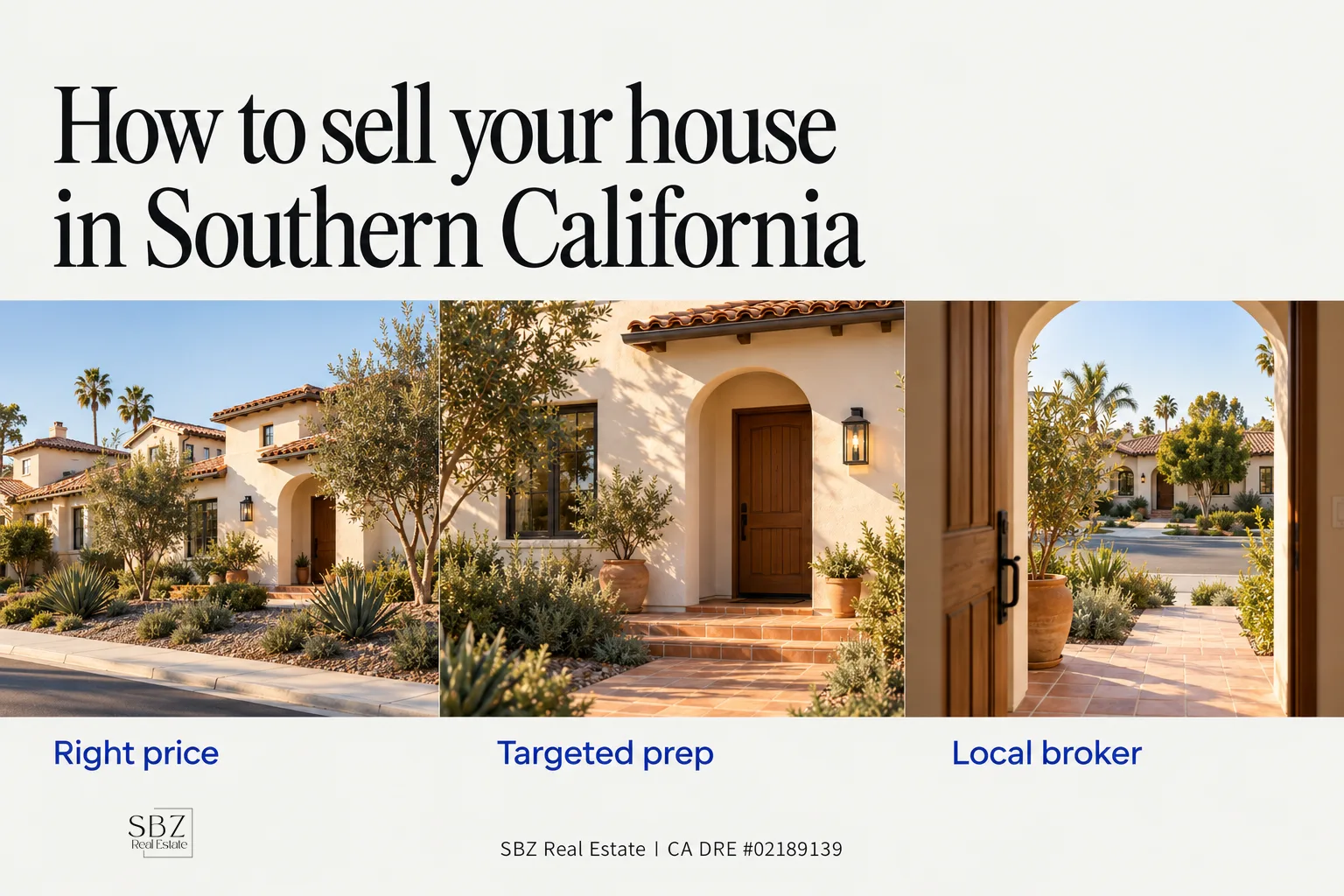
How to Sell My House in Southern California: A Practical Guide
Selling your house in Southern California comes down to three things: the right price, targeted preparation, and a broker who knows your specific market. This guide covers what actually matters.
Read
What a Real Estate Agent Does When Selling Your House
A real estate agent selling your house manages pricing strategy, marketing, negotiations, and escrow coordination — here's exactly what that process looks like and what it costs.
Read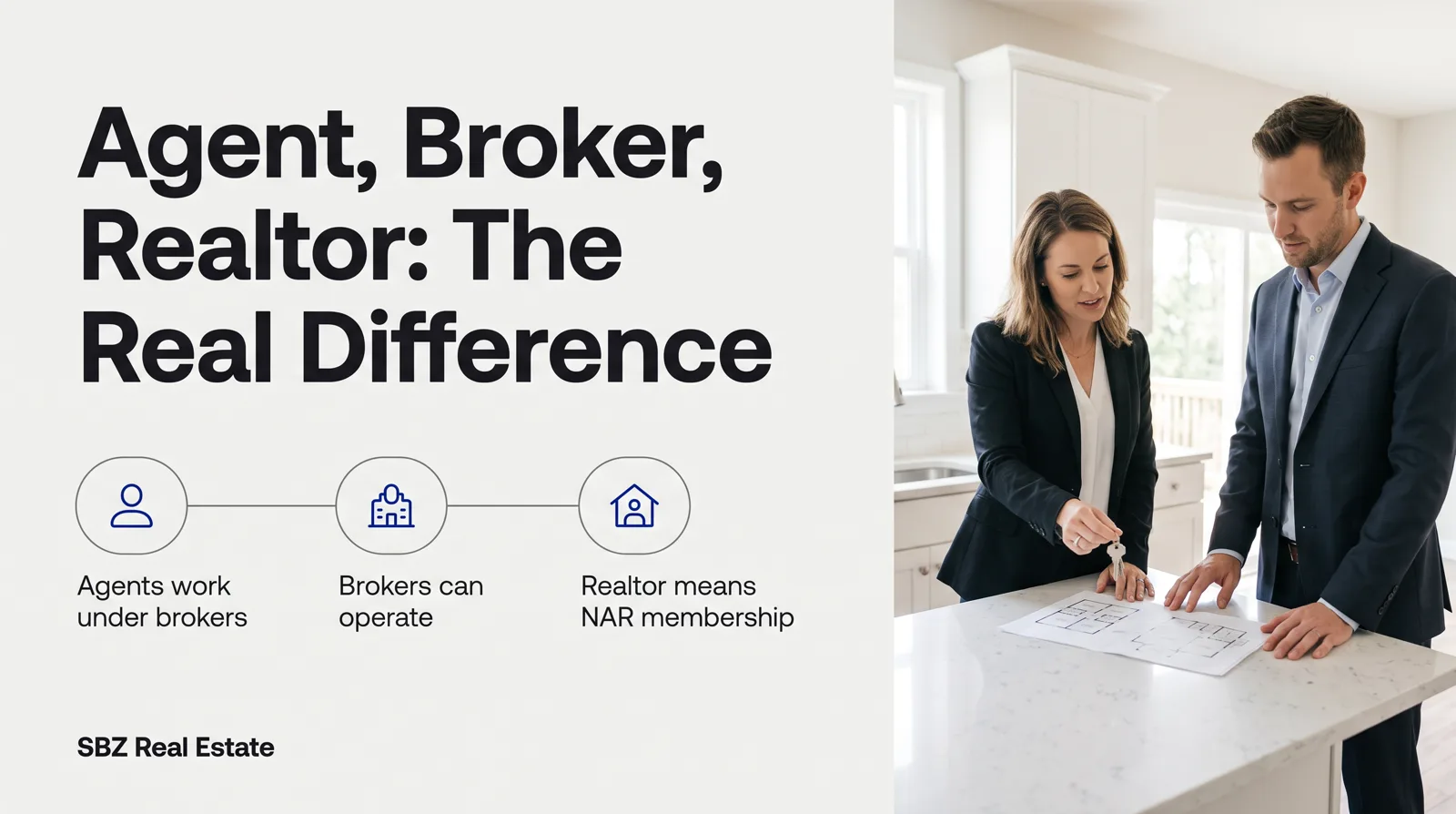
Real Estate Agent vs. Broker vs. Realtor: What the Titles Actually Mean
A real estate agent must work under a licensed broker; a broker can operate independently and supervise agents. A Realtor is simply a dues-paying NAR member — not a separate license tier.
Read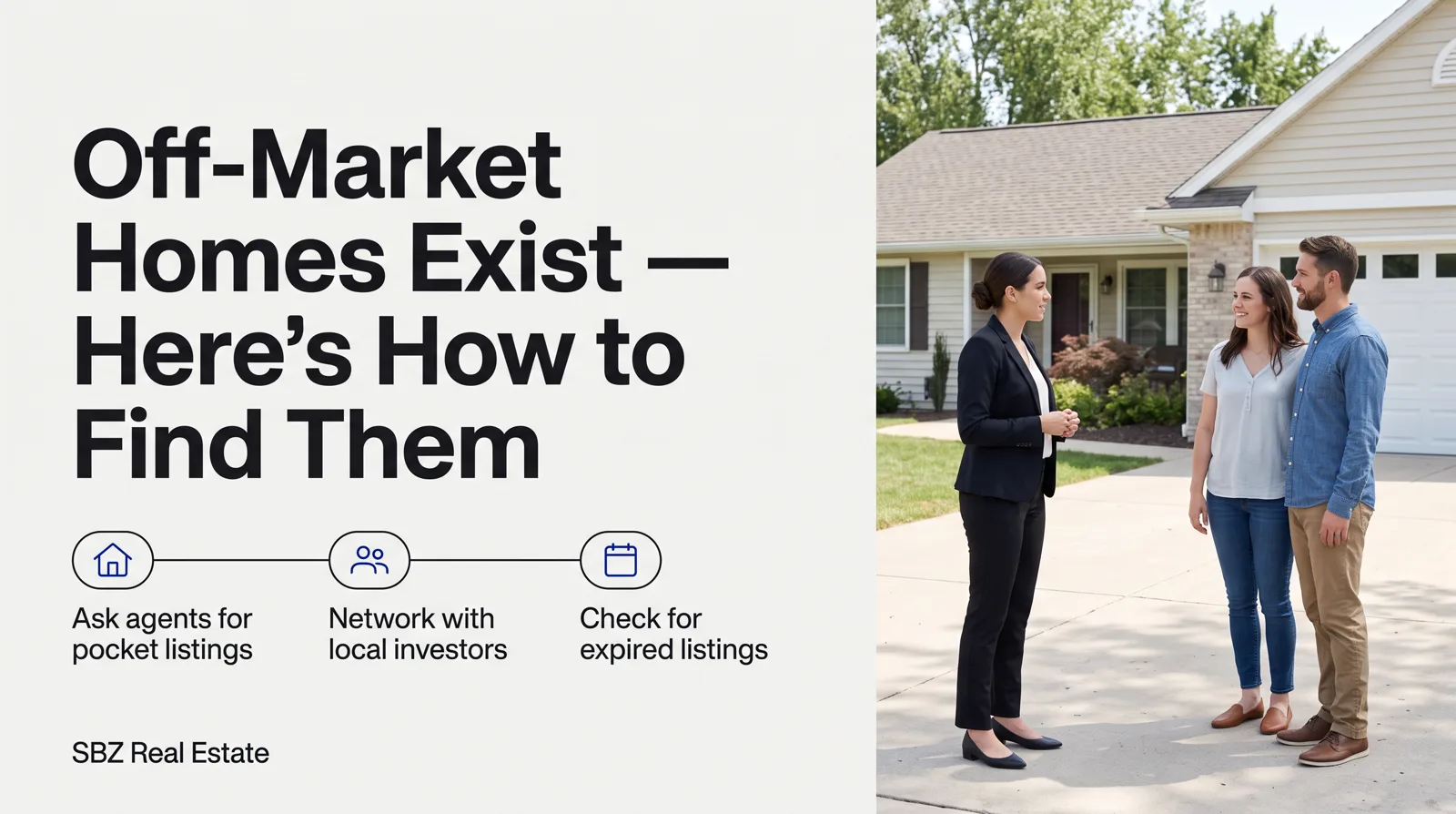
Off-Market Homes for Sale: What They Are and How to Find Them
Off-market homes are properties sold without ever appearing on public listing sites — and knowing how to find them can open doors that most buyers never see.
Read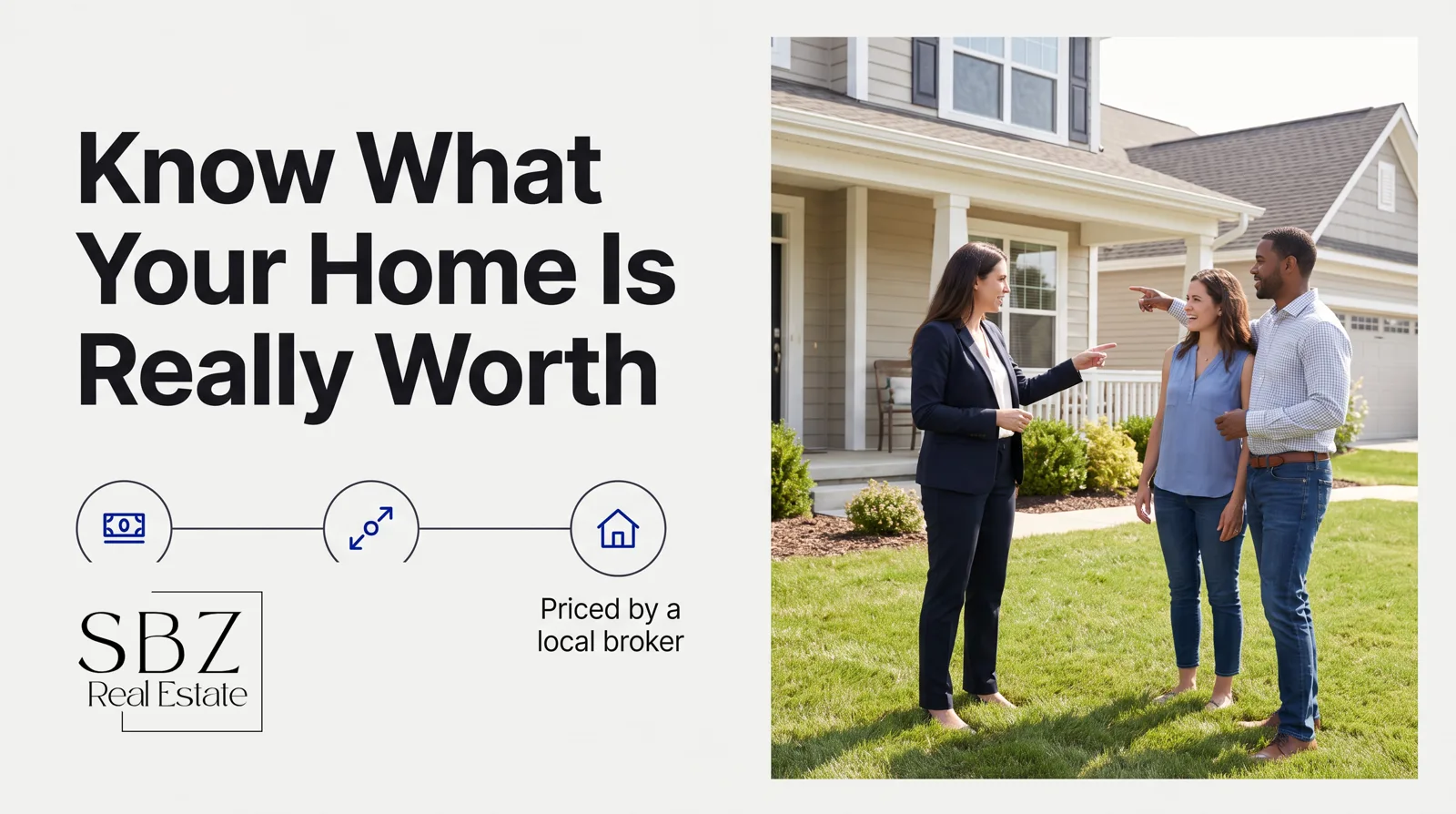
What Is a CMA in Real Estate? A Local Broker Explains
A CMA, or Comparative Market Analysis, is how a real estate broker estimates what a home is worth today by comparing it to similar homes that recently sold nearby.
Read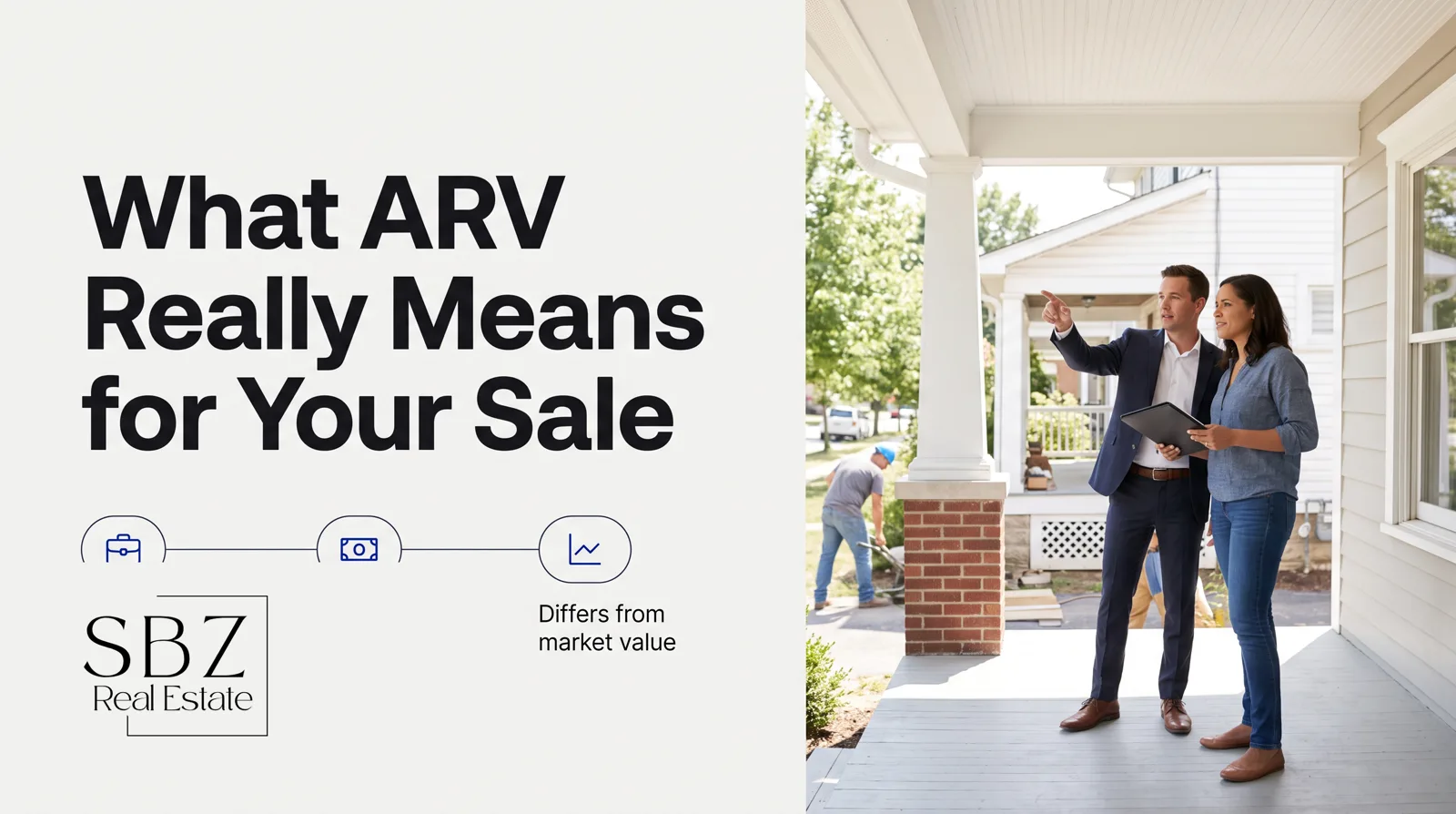
ARV in Real Estate: What It Means and How It Affects Your Home
ARV — After Repair Value — is what a property is projected to be worth after planned renovations. It's the number investors use to set their offers, and it matters whether you're buying, selling, or evaluating a deal.
Read
What Is NOI in Real Estate? A Plain-English Guide to Net Operating Income
NOI, or Net Operating Income, is the income a rental property earns after all operating expenses are paid — it's the number investors use to judge whether a property makes financial sense.
Read
Real Estate Agents for First-Time Buyers: What to Look For
The right real estate agent makes a first home purchase far less stressful—this guide explains what to look for, what to ask, and why your agent choice matters most when you've never done this before.
Read
For Sale by Owner Homes: What Buyers and Sellers in Southern California Need to Know
For sale by owner homes put the seller in charge of the full transaction — pricing, marketing, disclosures, and negotiation. Here's what that means in practice in California.
Read
What Is a Short Sale in Real Estate? A Practical Guide for Sellers and Buyers
A short sale is when a lender agrees to let a homeowner sell a property for less than what's owed on the mortgage, typically as an alternative to foreclosure.
Read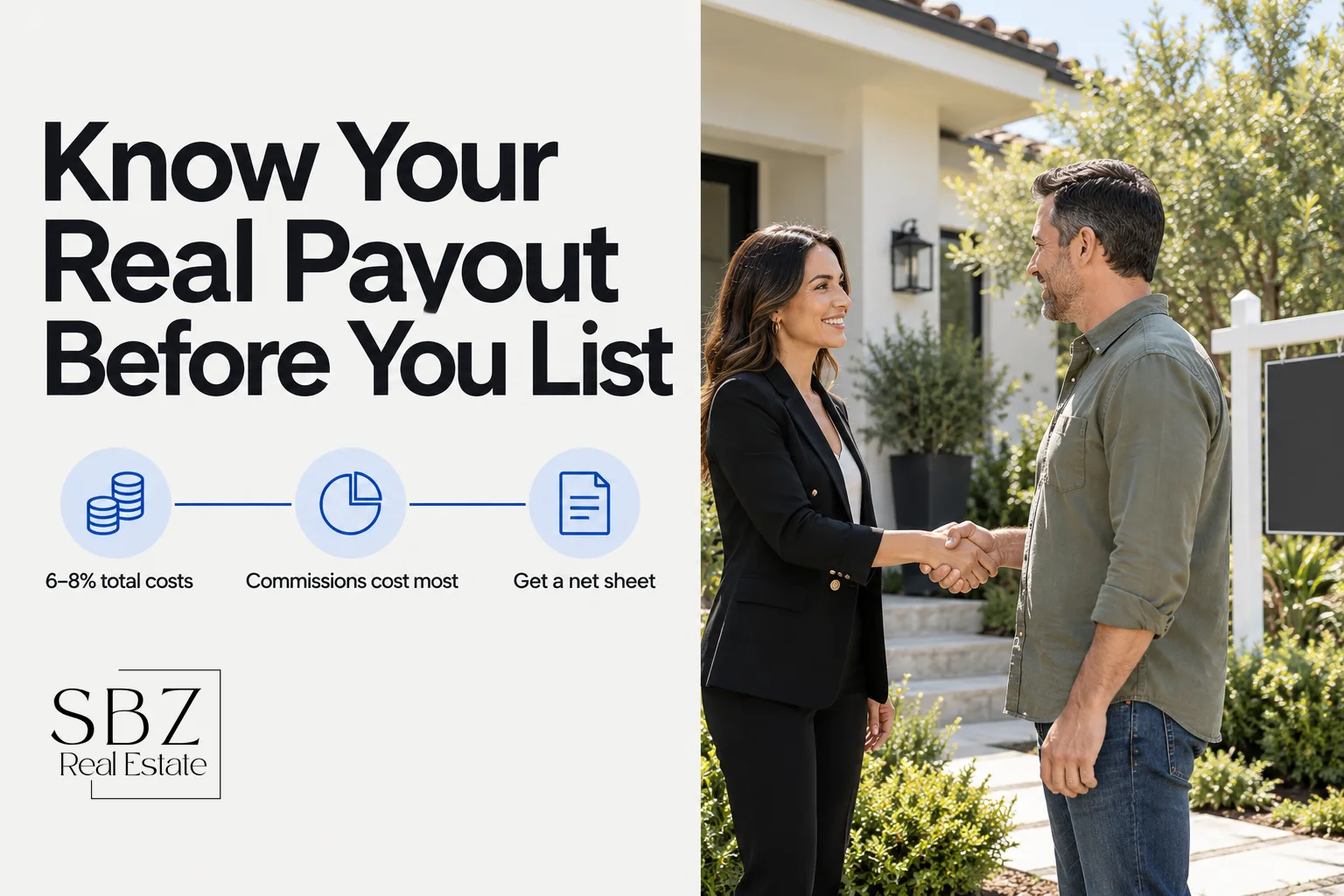
What Closing Costs Do Home Sellers Pay in California?
California sellers typically pay 6–8% of the sale price in closing costs. Here's every line item explained, plus a sample net sheet.
Read
How to Choose a Real Estate Agent in Southern California
Choosing the right real estate agent in SoCal starts with local expertise, clear communication, and knowing the right questions to ask. Here's what actually matters.
Read
What Is Escrow and How Does It Work in California?
Escrow protects both buyer and seller during a California home sale. Here's exactly how it works, who handles it, and what to expect at closing.
Read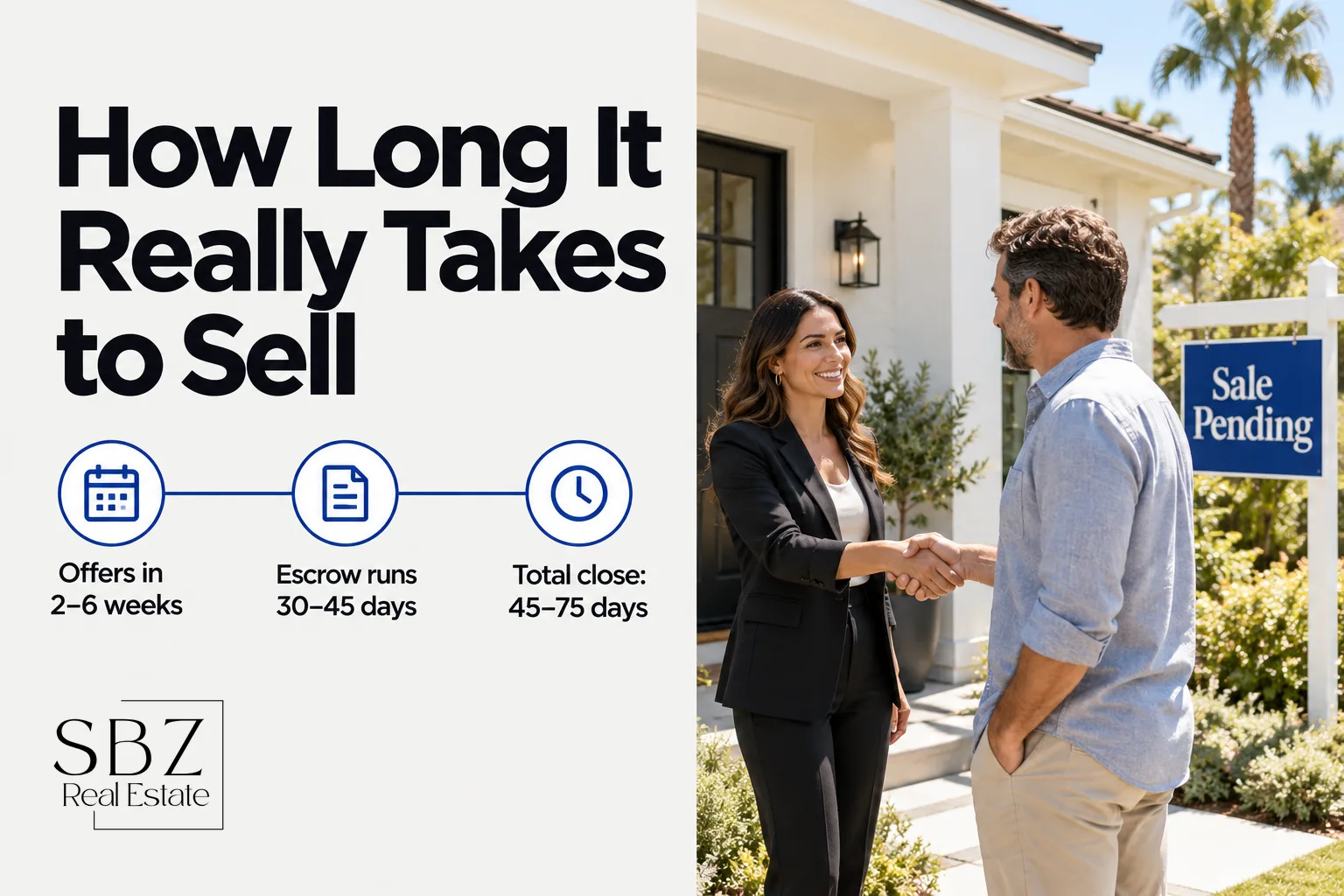
How Long Does It Take to Sell a Home in Southern California?
Most Southern California homes go under contract in 2–6 weeks, but total time to close is typically 45–75 days. Here's what actually drives the timeline.
Read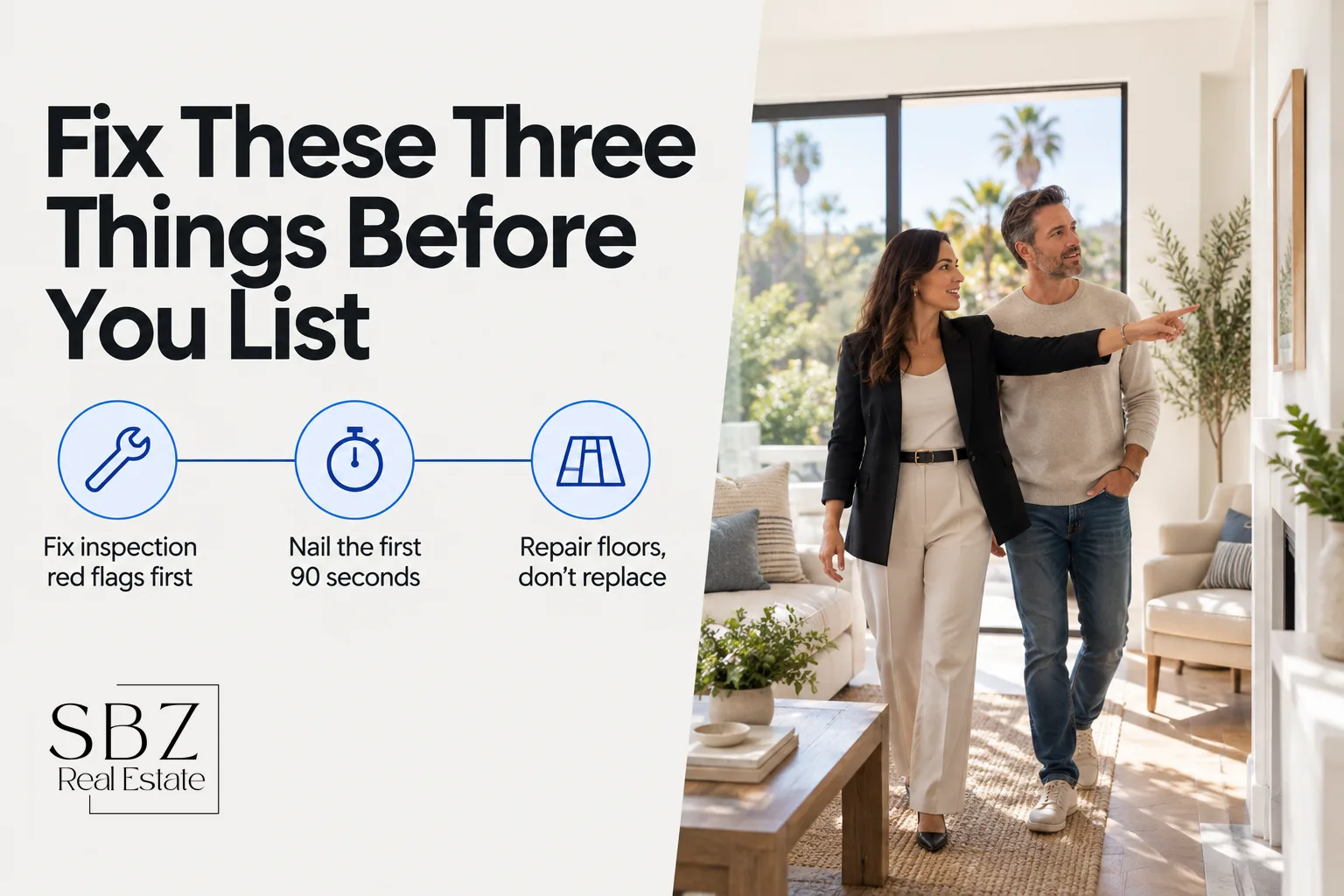
What to Fix Before Listing Your House (And What to Skip)
Not everything needs fixing before you sell. A Southern California real estate agent breaks down what repairs and updates actually move the needle—and what to leave alone.
Read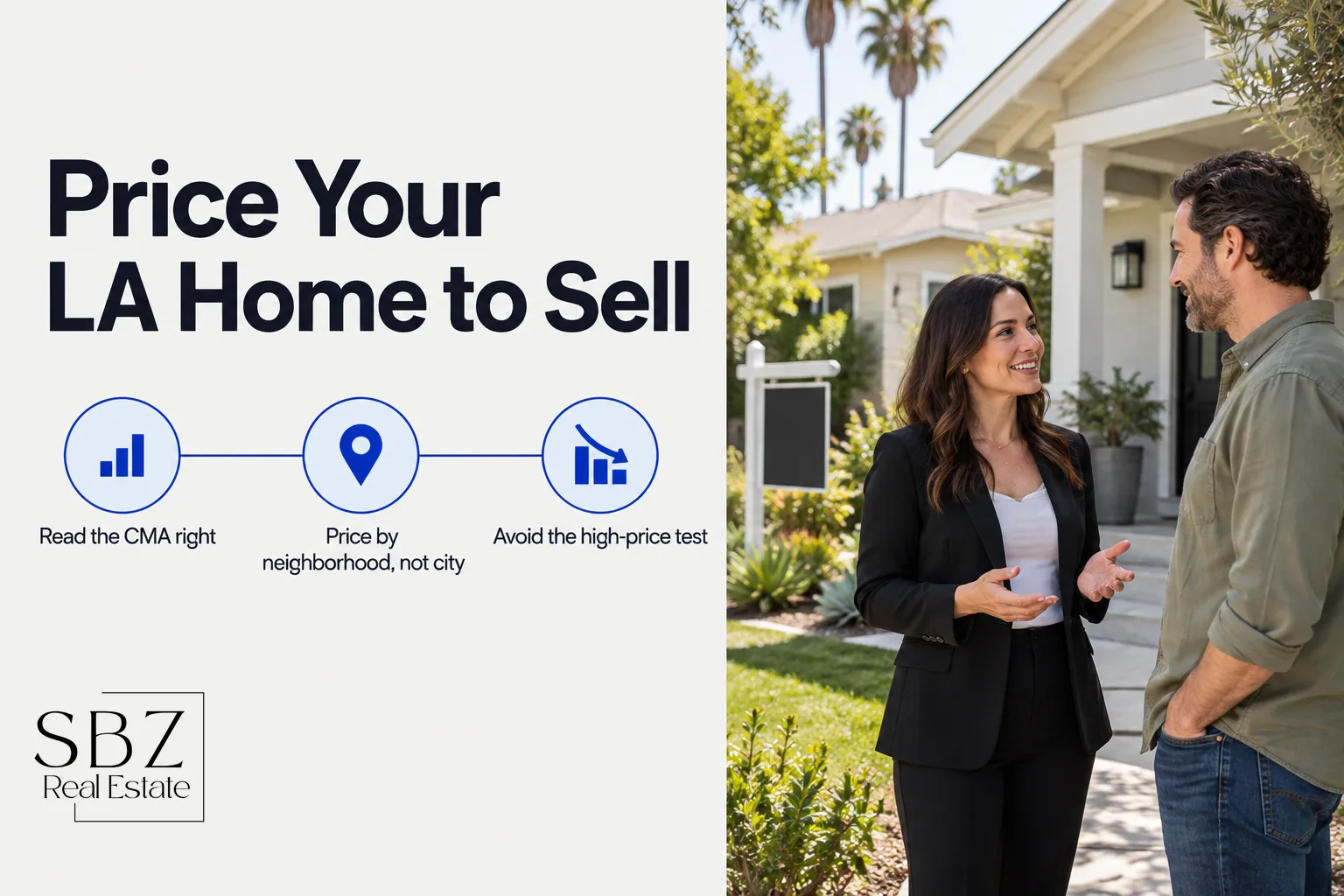
How to Price Your Home to Sell in Los Angeles
Pricing your LA home right the first time drives more offers and a stronger net. Here's how to think through it — and what most sellers get wrong.
Read
How to Sell Your House Fast in Palmdale
Selling your Palmdale home quickly comes down to three things: pricing it sharply from day one, presenting it at its best, and partnering with someone who knows how the Antelope Valley market actually moves.
Read
What Is a Seller Net Sheet in California?
A seller net sheet is a line-by-line estimate of what you'll actually keep after a California home sale — covering commissions, escrow, title, and transfer taxes before you commit.
Read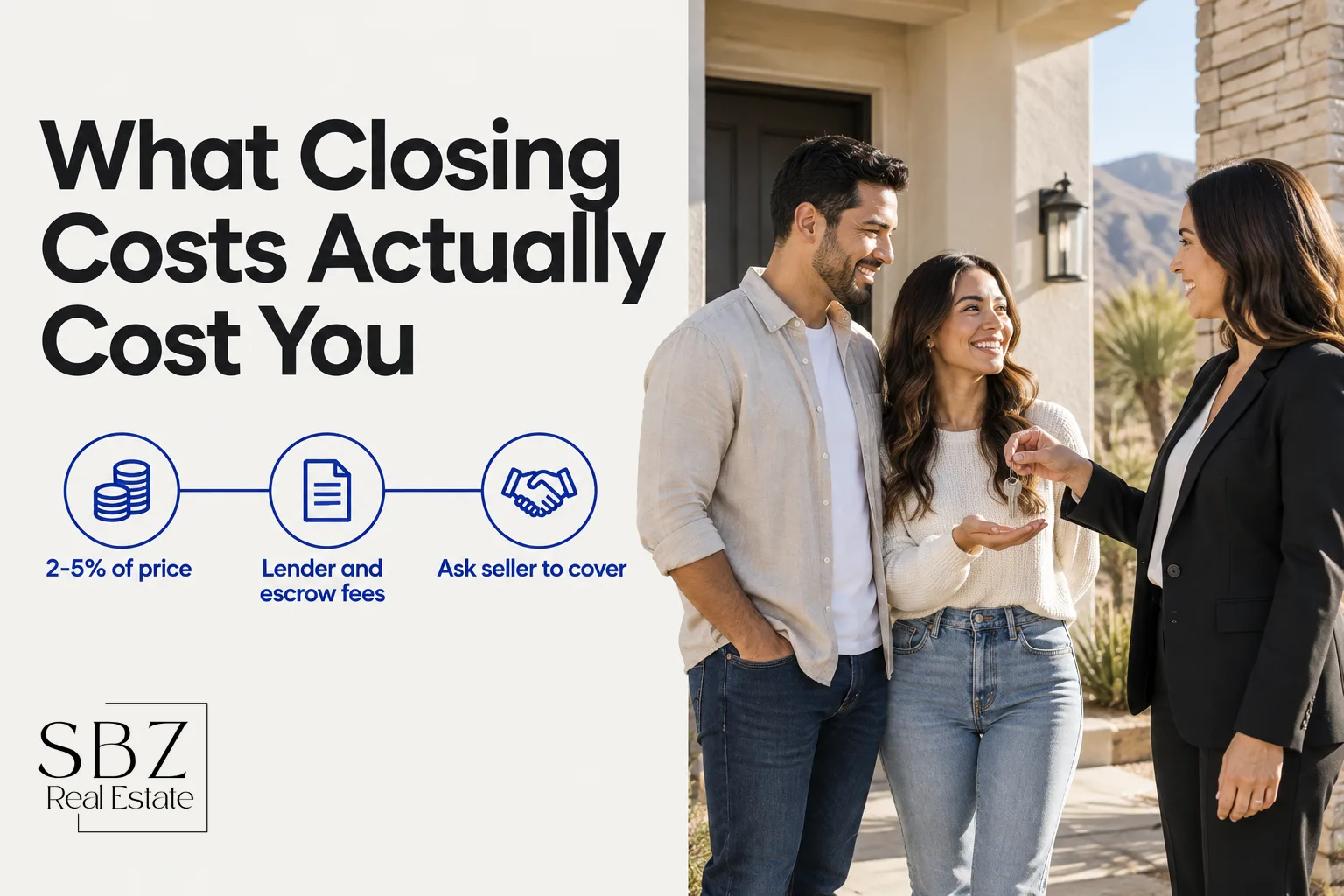
Closing Costs for Home Buyers in the Antelope Valley: What to Expect
Closing costs for Antelope Valley home buyers typically run 2–5% of the purchase price, covering lender fees, title insurance, escrow, and prepaid expenses.
Read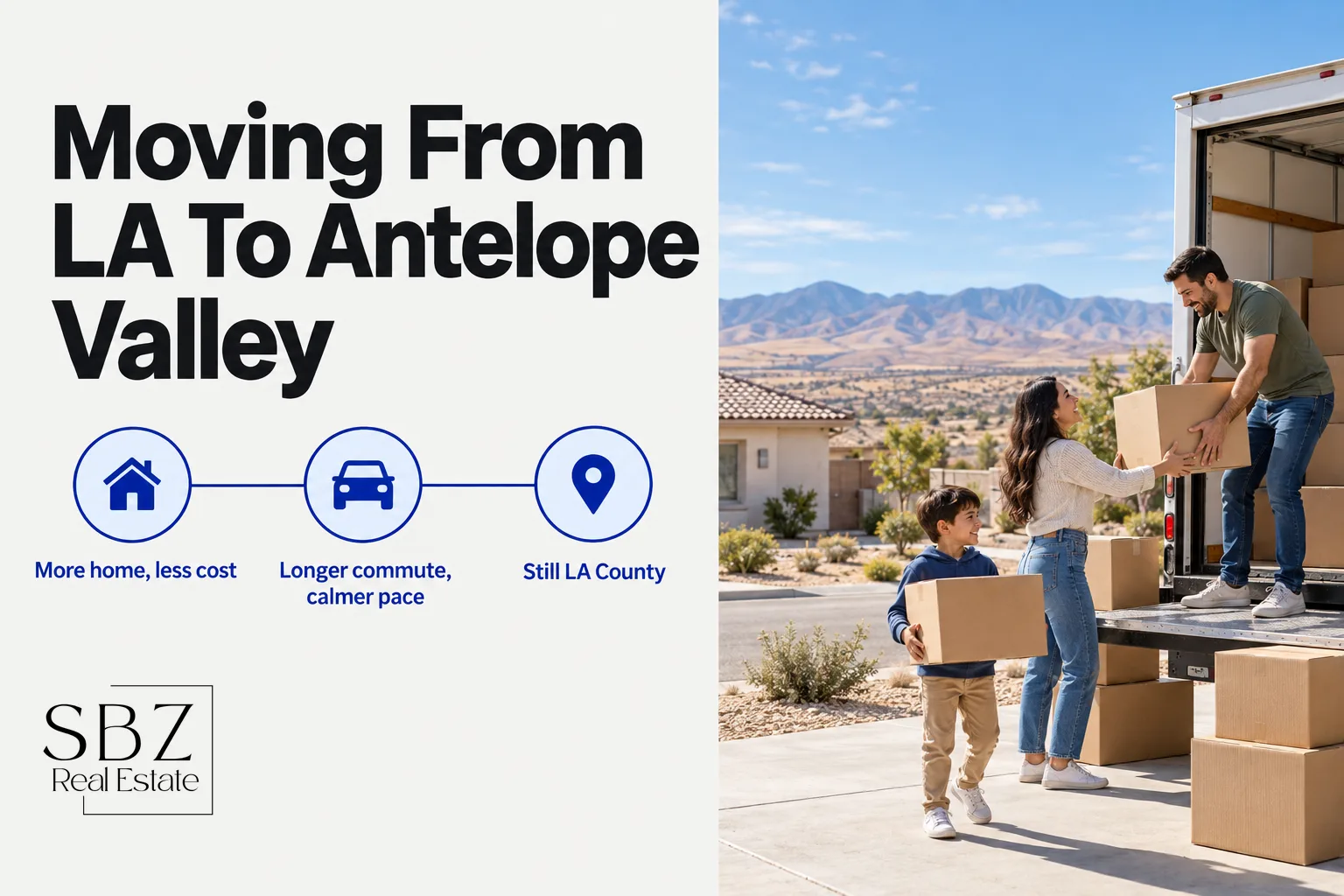
Moving from Los Angeles to the Antelope Valley: What to Expect
Moving from Los Angeles to the Antelope Valley means more home for your money and a different pace of life — a meaningful lifestyle shift worth planning carefully before you commit.
Read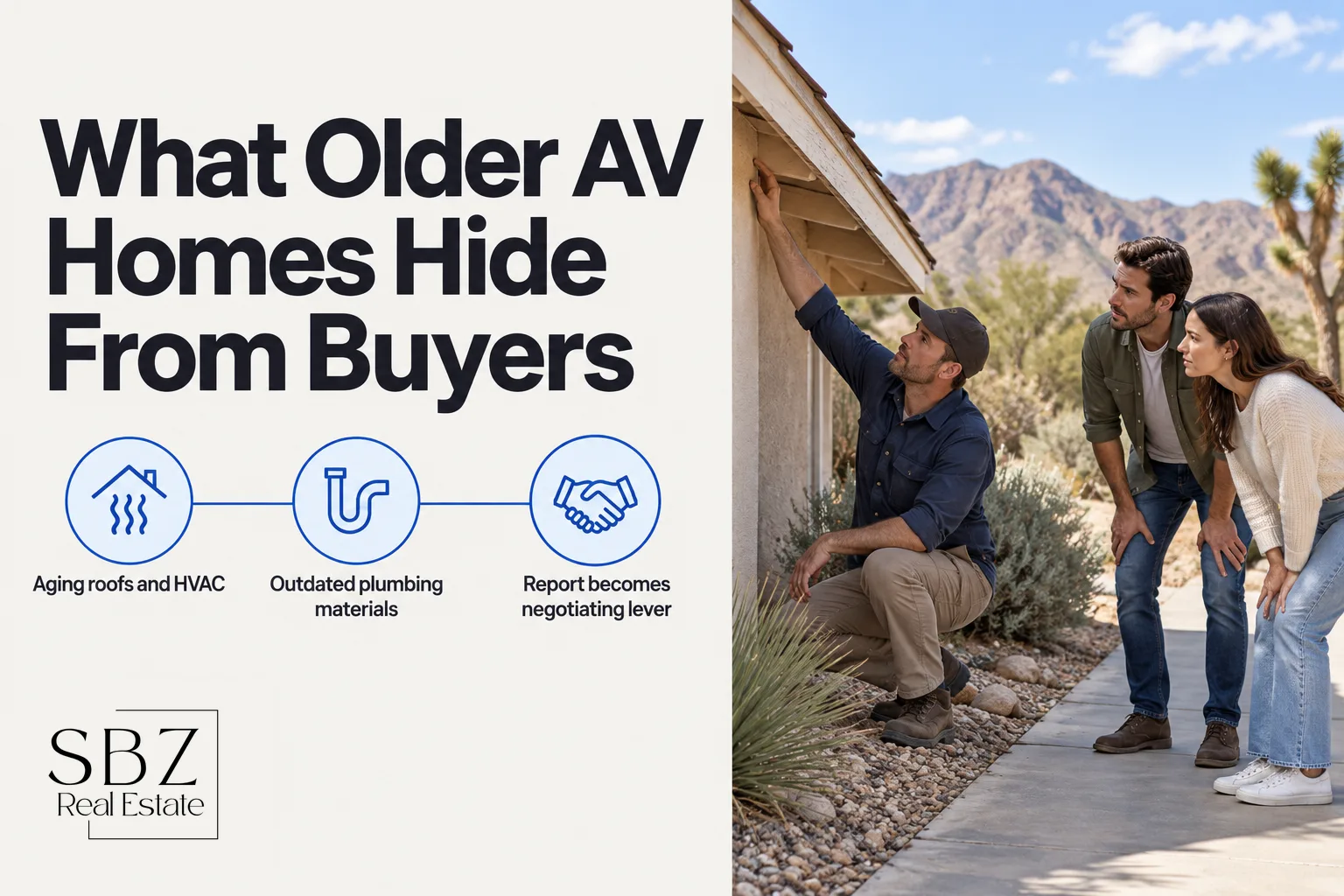
What Home Inspections Reveal in Older Antelope Valley Homes
Older Antelope Valley homes routinely surface meaningful inspection findings — from roofing wear and aging HVAC systems to plumbing materials that predate modern standards.
Read
Antelope Valley Rental Market: What Landlords Should Know in 2026
The Antelope Valley rental market has stayed resilient heading into 2026, but California's landlord-tenant landscape has changed enough that reviewing your leases and deposit policies now is worth the time.
Read
New Construction Homes in the Antelope Valley: What to Know Before You Sign
New construction in the Antelope Valley offers modern floor plans and builder warranties, but the process differs meaningfully from buying a resale home — and the details matter.
Read
How to Buy a Home in Lancaster, CA With Bad Credit
Buying a home in Lancaster, CA with a low credit score is possible — FHA loans, down payment assistance, and the right preparation can open the door sooner than most people expect.
Read
What Are Mello-Roos Taxes — and Do Antelope Valley Homes Have Them?
Mello-Roos are special taxes tied to California Community Facilities Districts that can significantly raise your annual property tax bill — and yes, many Antelope Valley homes have them.
Read
Best Neighborhoods in Palmdale for Families: A Local Broker's Guide
Palmdale's best neighborhoods for families share three consistent traits: school access, community parks, and homes with room to grow — here's how each area stacks up.
Read
Palmdale vs. Lancaster: Which Is Better for Buying a Home?
Palmdale and Lancaster both offer more house for the money than the rest of LA County — the better fit comes down to commute, lot size, and which pockets match your budget.
Read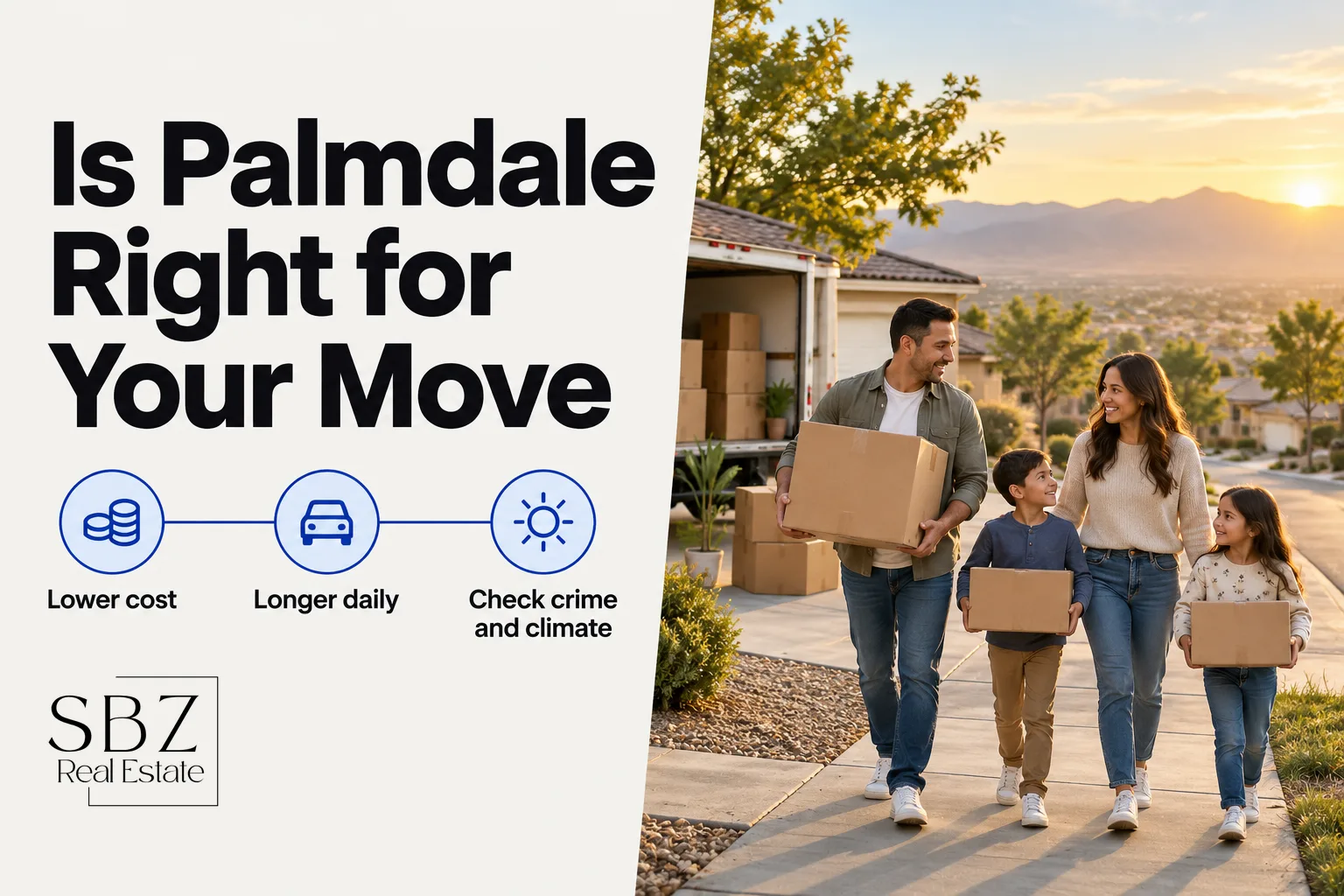
Is Palmdale a Good Place to Live? What to Know Before You Move
Palmdale offers Southern California living at a lower price point than LA proper, with tradeoffs around commute distance and climate worth weighing first.
Read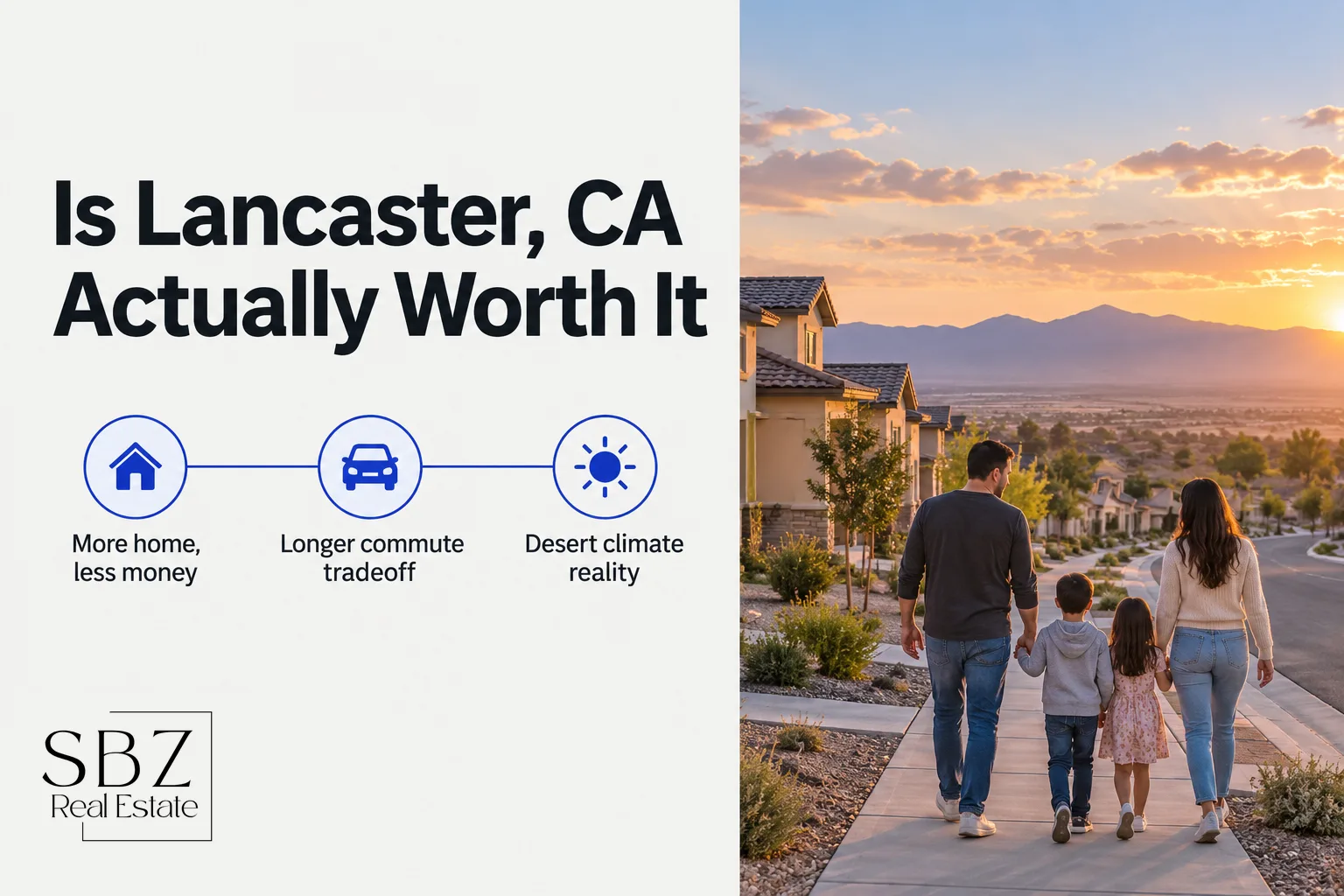
Is Lancaster, CA a Good Place to Live? A Local Broker's Honest Take
Lancaster, CA offers more home for less money than most of Los Angeles, with tradeoffs in commute time and climate — here's what actually matters when you're deciding.
Read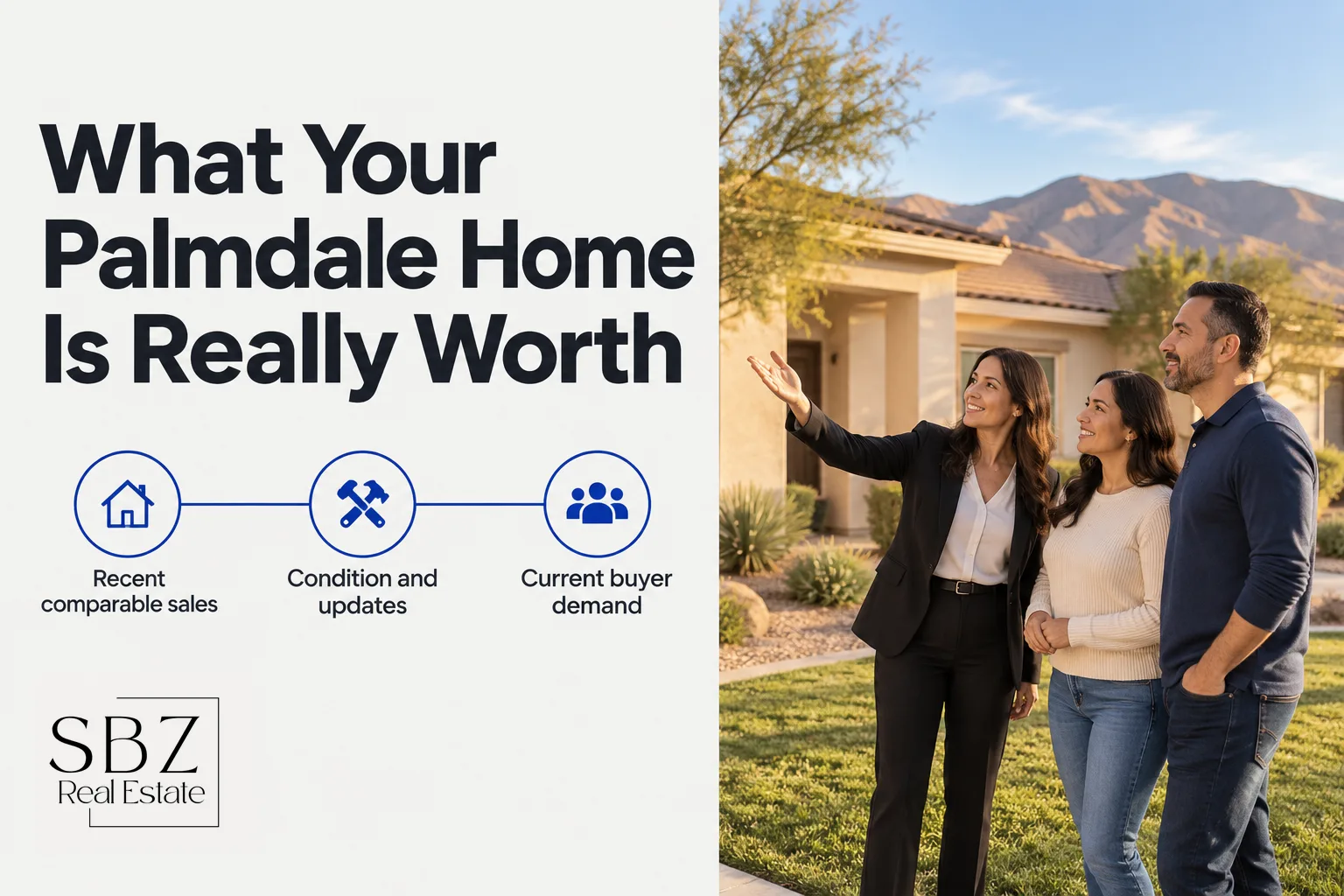
How Much Is My House Worth in Palmdale? A Local Broker's Guide
Your Palmdale home's value comes down to recent comparable sales, condition, and current buyer demand — not a single online number.
Read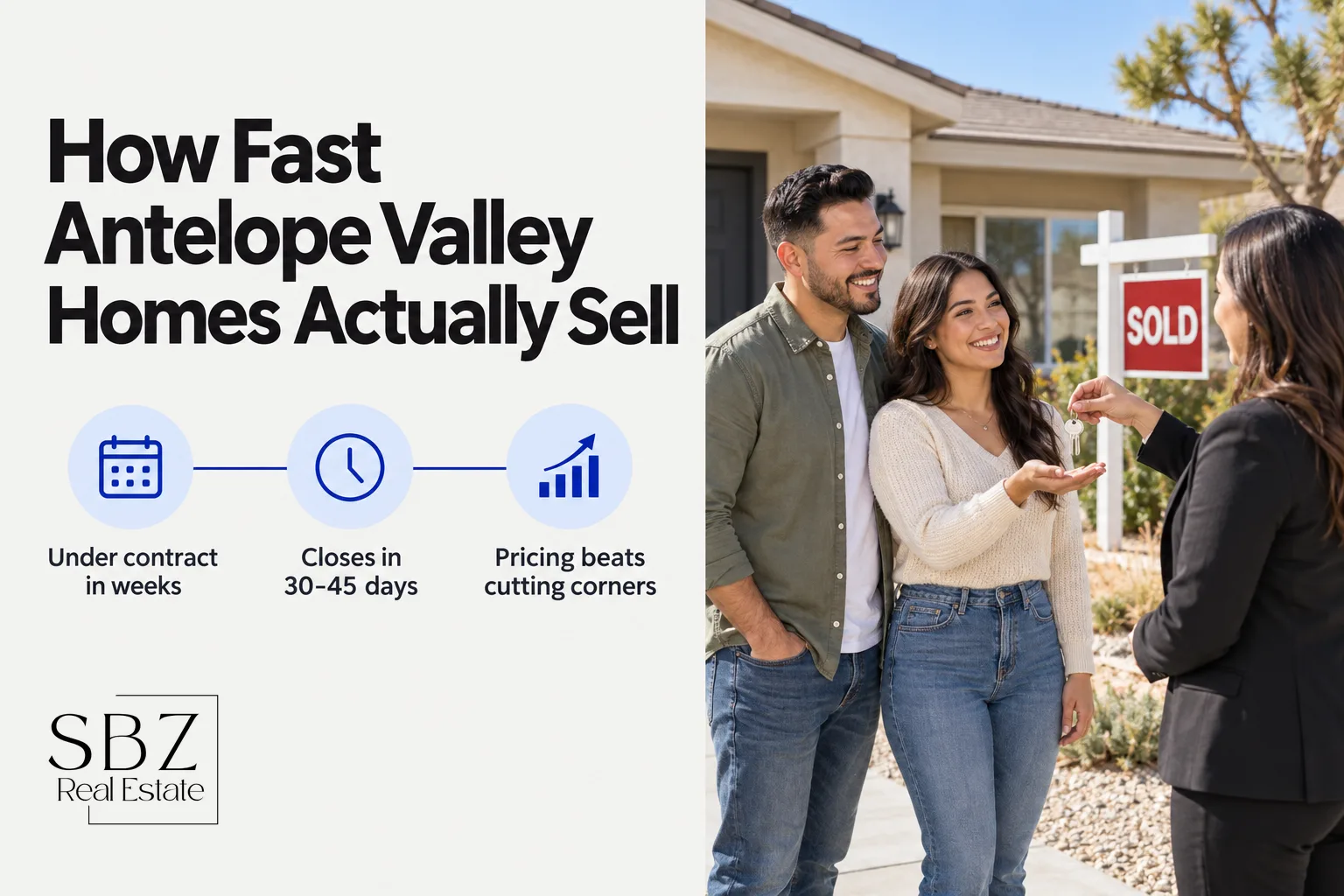
How Long Does It Take to Sell a House in the Antelope Valley?
Most well-priced Antelope Valley homes go under contract within a few weeks and close 30-45 days later, though pricing, condition, and financing all shift that timeline.
Read
First-Time Home Buyer Guide for California and the Antelope Valley
What California first-time buyers actually need to budget, qualify, and close — plus why the Antelope Valley is worth a serious look for a first purchase.
Read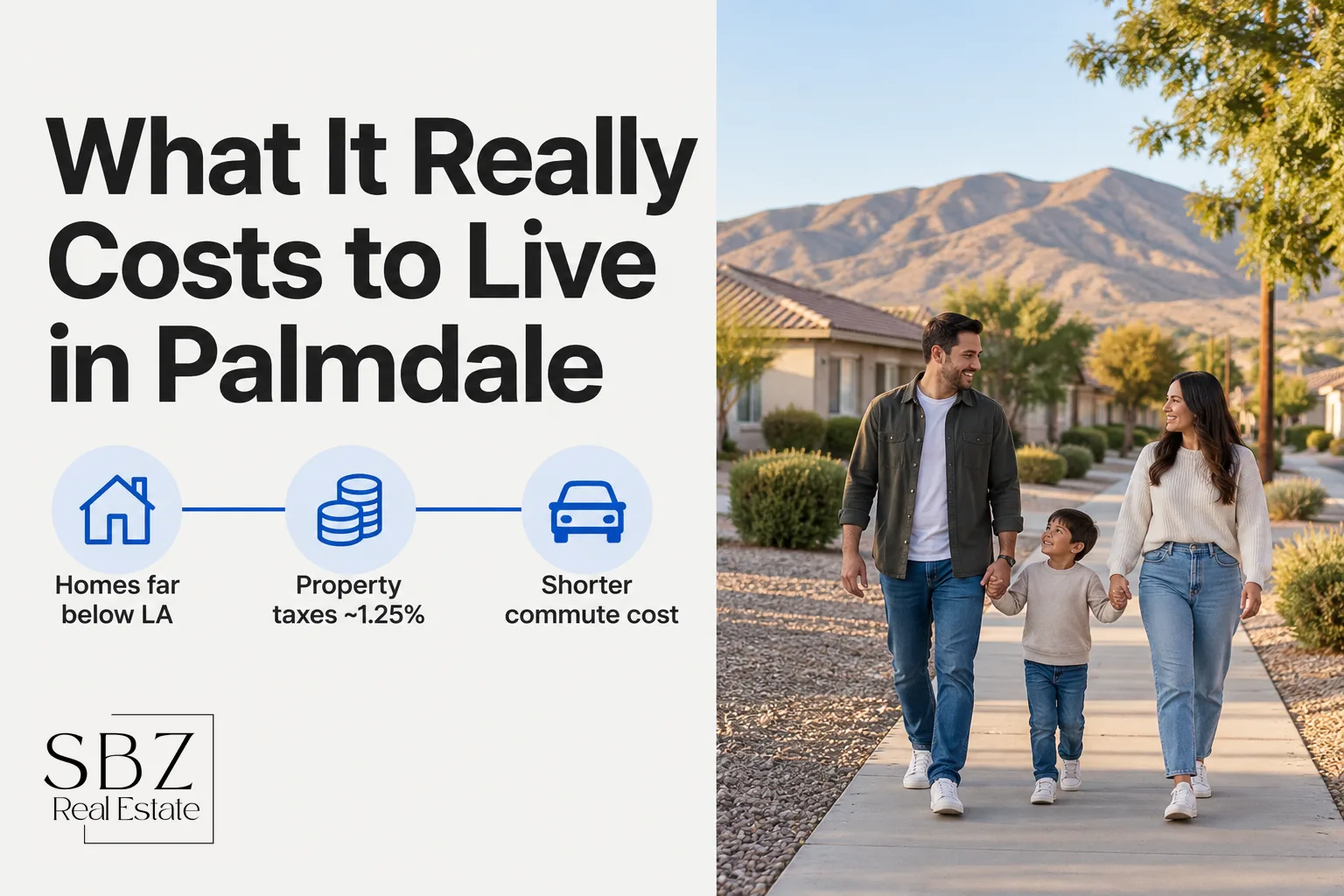
Cost of Living in Palmdale, CA: What It Actually Costs to Live Here in 2026
Palmdale's cost of living sits well below Los Angeles proper, driven almost entirely by lower housing prices — here's what that actually looks like in monthly numbers.
Read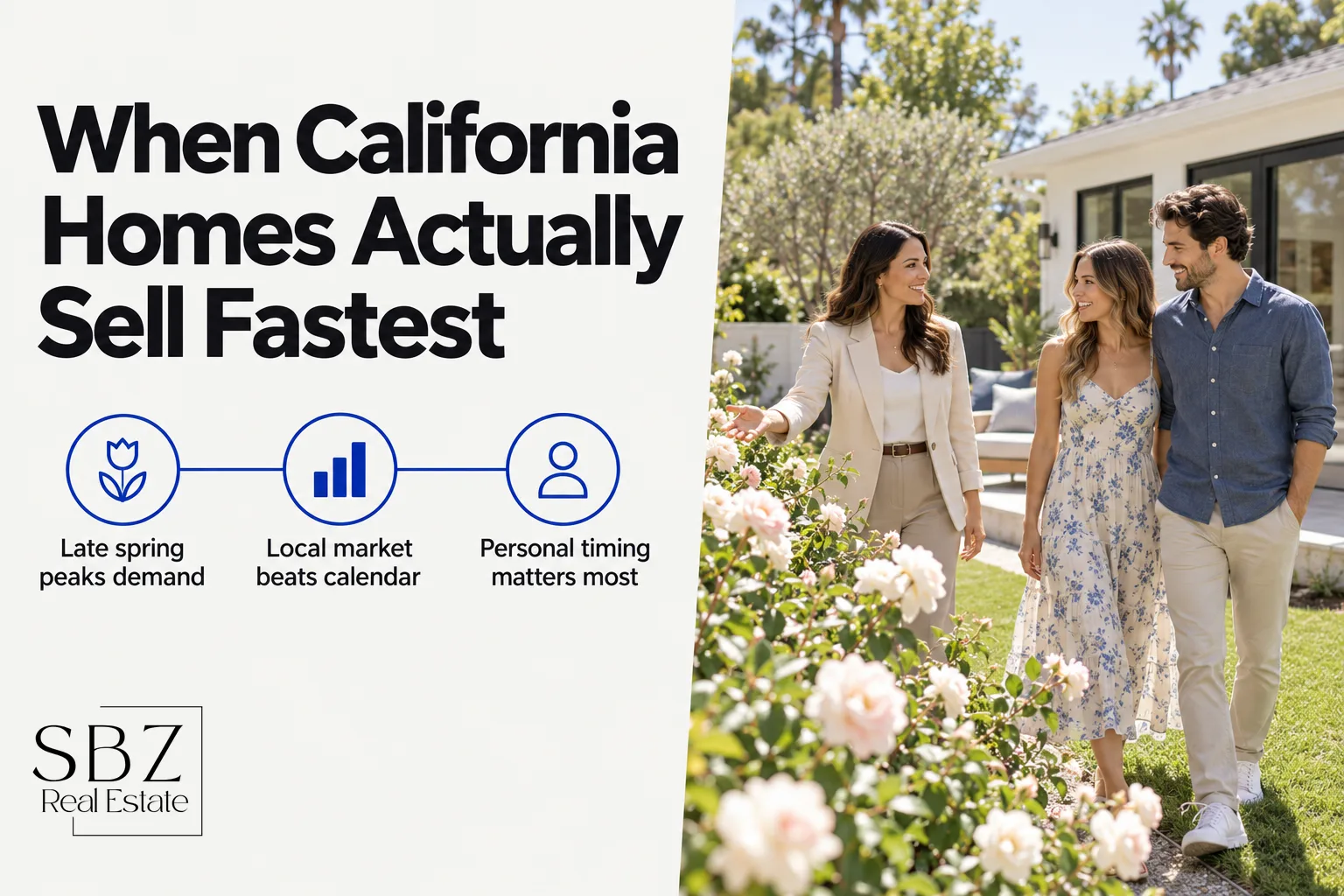
Best Time to Sell a House in California: What the Calendar Actually Tells You
Late spring through early summer typically brings the most buyer activity in California, but your specific market and personal timing usually matter more than the calendar.
ReadCurious what your home is worth?
Reading up because you're thinking about a move? Start with a broker-prepared valuation.