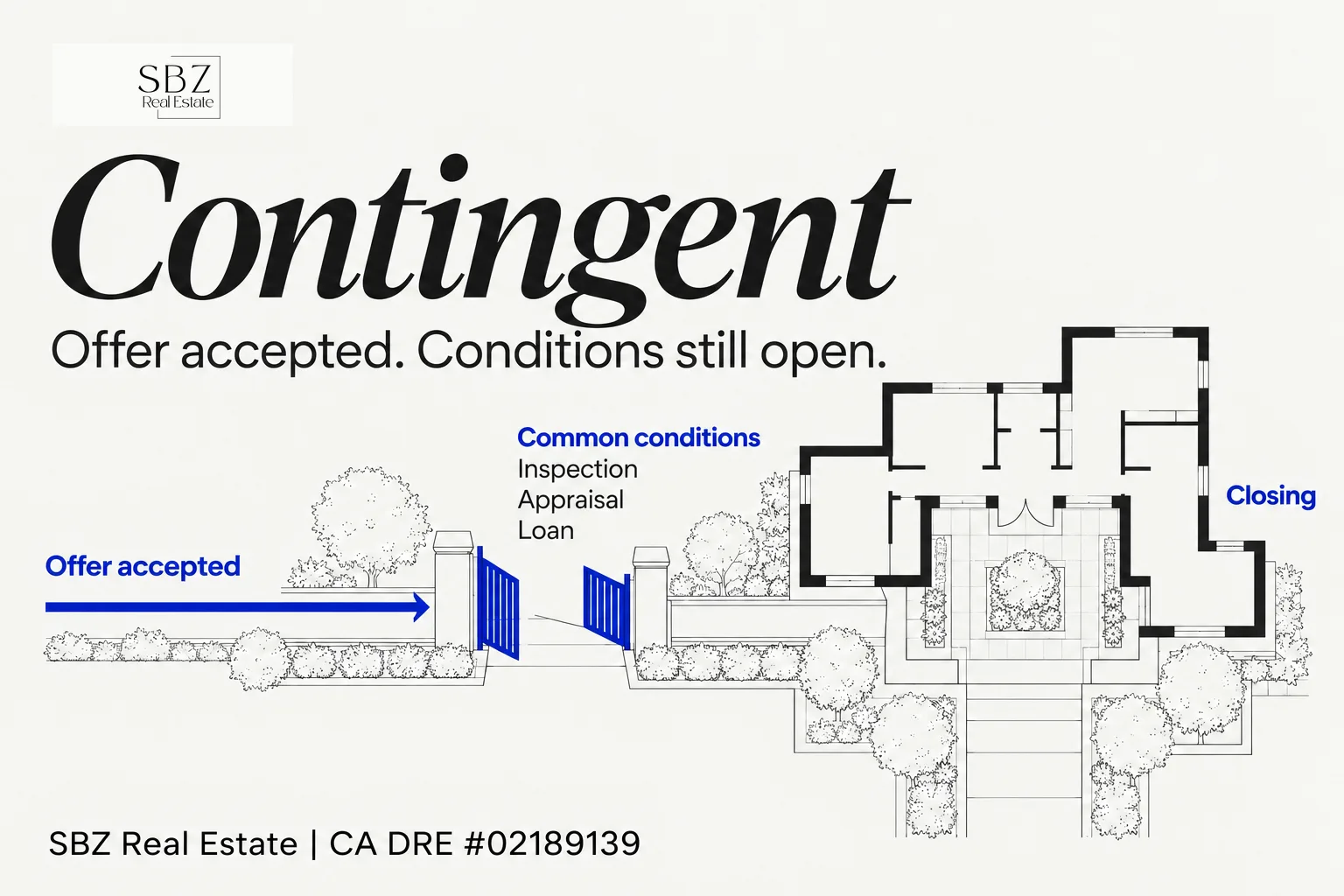

If a house appraises for less than the agreed price, the lender will base the loan on the lower appraised value, which leaves a gap that the buyer and seller have to resolve. The deal isn't automatically dead. Most low appraisals end in a renegotiation, a buyer covering part of the difference, or a formal challenge to the value.
It's a stressful moment for both sides, but it's also more common than people expect. Here's how it works and what your realistic options are.
Why does a low appraisal create a problem?
A lender won't lend more than a property is worth in its own eyes. Your loan amount is calculated from the lower of the purchase price or the appraised value. So if you agreed to pay $700,000 and the appraisal comes back lower, the lender's financing is built on that lower figure. That means the loan covers less than you planned.
The shortfall doesn't disappear. Someone has to account for it, either through a price change, extra cash from the buyer, or a different arrangement. If you want the background on how the process fits together, our guide to what escrow is and how it works in California walks through where the appraisal sits in the timeline.
What are the options when a house appraises low?
There are a handful of paths, and they can be combined. Here's what actually matters in this market: which one makes sense depends on how far apart the numbers are, how much room the buyer has, and how motivated each side is.
- Renegotiate the price. The seller agrees to lower the price, fully or partly, to match the appraisal.
- Split the difference. Each side takes part of the gap. The seller reduces the price somewhat and the buyer brings extra cash for the rest.
- The buyer covers the gap. If the buyer has the funds and still believes the home is worth the price, they can pay the difference in cash on top of their down payment.
- Challenge the appraisal. The lender can be asked to review the value, which we cover below.
- Cancel the contract. If the appraisal contingency is still in effect, the buyer can usually withdraw and recover their deposit.
- Switch loan structure or lender. Occasionally a different program or lender is worth exploring, though a new appraisal comes with its own timing and cost.
None of these is a guaranteed outcome. Each depends on the contract terms and on what both parties are willing to do.
Does the buyer have to pay the difference?
Not necessarily. Unless the buyer has waived the contingency or agreed to cover a shortfall in advance, nothing in the standard process forces them to bring extra cash.
An appraisal contingency is the clause that protects a buyer here. It lets them renegotiate or cancel without losing their deposit if the property doesn't appraise at the price, as long as they act within the deadline written into the contract. Once that contingency is removed, walking away can put the deposit at risk. This is where buyers sometimes get into trouble, so read the contingency dates closely and ask before you remove anything. Our overview of what a full-service brokerage does for buyers and sellers covers how a broker tracks those deadlines for you.
In competitive situations, some buyers write offers that cover a certain amount of appraisal shortfall or waive the contingency altogether. That can make an offer stronger, but it shifts the risk onto the buyer. It's a decision to make with full understanding of your cash position.
What can a seller do if the appraisal comes in low?
The seller isn't obligated to lower the price, and they can hold firm. But holding firm carries a trade-off. If the buyer's financing depends on the appraised value and neither side moves, the sale may fall through, and the home goes back on the market.
Sellers have a few practical choices:
- Accept a reduced price that matches the appraisal.
- Meet the buyer partway, sometimes with a concession tied to closing costs.
- Keep the price and rely on the buyer to bring the difference.
- Release the buyer and relist.
A future buyer's appraisal could also come in low, since appraisers rely on recent comparable sales rather than on what a seller hopes to receive. That's worth weighing before turning down a reasonable renegotiation. If you're considering the pricing question from the start, our piece on how to price your home to sell in Los Angeles explains how comparable sales shape a defensible list price.
Can you challenge a low appraisal?
Yes, through what's usually called a reconsideration of value. You don't hire a new appraiser or argue with the appraiser directly. Instead, the request goes through the lender, who decides whether to send it back for review.
A strong request is specific and factual. It typically includes:
- Recent, closer, more similar comparable sales the appraiser may have missed.
- Corrections to factual errors, such as square footage, bedroom or bathroom count, or lot size.
- Documented upgrades or features that weren't accounted for.
A request based only on "it should be worth more" rarely goes anywhere. Your agent can help assemble the comparables, much like the analysis described in what a CMA is in real estate. The appraiser may or may not change the figure, so treat a challenge as one possibility rather than a plan.
Why do homes appraise low in the first place?
Appraisals look backward. They rely on closed sales, so in a fast-moving market they can lag behind what buyers are currently willing to pay. A bidding situation can push a price beyond the recent comparables, and the appraisal then reflects the older data.
Other causes include a scarcity of truly comparable homes, unusual features that are hard to value, condition issues, or simple differences in how two professionals read the same data. In areas with a wide mix of home types, such as parts of the Antelope Valley or the varied neighborhoods around Glendale, choosing the right comparables can be a judgment call. For a sense of how to interpret market data before you make an offer, see our guide to housing market trends in Southern California.
How can you prepare for a low appraisal?
You can't control the number, but you can reduce the surprise.
- Buyers: Know how much cash you could realistically bring if the value falls short, and decide before you're under pressure. Understand your contingency timeline, and think carefully before waiving it.
- Sellers: Price from recent comparable sales, not from hope, and keep records of upgrades and permits that support your value.
- Both: Work with a broker who explains the numbers plainly and can talk through the options early. If you're getting ready to buy, our buyer resources are a good place to start, and sellers can look at how we approach selling.
Frequently asked questions
Can a buyer back out if the house appraises low?
Often, yes, if the appraisal contingency is still active and the buyer acts within the contract deadline. Once it has been removed, canceling may put the deposit at risk, so check your contract before deciding.
Does the seller have to lower the price after a low appraisal?
No. The seller can keep the price, but if the buyer's loan can't cover it and no one bridges the gap, the sale may not close.
Can I use the same loan if the appraisal is lower than the price?
Usually the loan stays in place, but the amount is based on the lower value. The buyer would need to cover the difference with additional funds, or the price would need to change.
Can I get a second appraisal?
That's up to the lender. A reconsideration of value is the more common route, and a fresh appraisal can involve extra cost and delay. Your lender can explain what they allow.
Does a low appraisal mean the house is overpriced?
Not always. It means the appraiser's analysis of recent comparable sales supported a lower figure. That can reflect market timing, data limitations, or genuine overpricing, and a broker can help you tell which.
If you're weighing a purchase or sale and a valuation question is on your mind, a quick conversation costs nothing. You can reach out to our team any time.