
Buying property off market means purchasing a home that hasn't been publicly listed for sale, usually because a seller, an owner's representative, or another broker introduced it to you directly. The paperwork looks much like any other California purchase. What changes is how you find the property, how you decide what it's worth, and how much of the checking you have to do yourself.
If you're wondering whether it's worth the effort, the honest answer is that it depends on your goals. This guide walks through how the process works so you can decide.
Why would a seller keep a home off the market?
Sellers have plenty of reasons to skip a public listing, and most are practical rather than mysterious. Some want privacy, because they don't want neighbors, tenants, or the public to know the home is available. Others want a quiet test of interest before committing to a full launch. Some owners are dealing with a family transition, a tenant situation, or a property in rough condition and want a simpler, lower-traffic sale.
None of these reasons mean the property is a bargain. An off-market home can be fairly priced, overpriced, or occasionally a good opportunity. The only way to know is to evaluate it the same way you would any other. For a broader look at what these properties are and where they come from, see our guide to off-market homes for sale.
How do you find property that isn't listed?
Almost all off-market deals come through relationships rather than search portals. The common routes are:
- Your own broker's network. Brokers who work a market daily hear about owners who are considering a sale before anything is posted. This is the most reliable source, and it's one reason your choice of broker matters.
- Direct outreach to owners. Some buyers write to owners of homes in a specific neighborhood. It's legitimate, but it takes persistence, and most owners won't be sellers.
- Other brokers' quiet listings. Some brokers market a property privately to a limited group before, or instead of, a public launch.
- Distressed-sale channels. Properties heading toward foreclosure are sometimes available before a public auction. Our article on foreclosed homes in Los Angeles covers how buyers approach these.
- Investor and wholesaler contacts. These can produce leads, but they carry the most risk, which we'll get to below.
If you're focused on a specific area, start with the local picture. The market in Palmdale behaves very differently from a pocket of the San Fernando Valley, and that affects how often owners sell quietly.
What does the buying process look like?
Once you have a property, the steps follow a familiar path, with a few differences worth knowing.
- Sign a buyer representation agreement. In California, you'll generally need a written agreement with your broker before touring homes, which spells out the services and how the broker is paid. Our explainer on California buyer agent commission walks through how that works now.
- Confirm who you're dealing with. Verify that the person offering the property actually owns it or has legal authority to sell it. A preliminary title report shows who holds title and what liens or encumbrances exist.
- Establish value. With no listing history, no days on market, and often no recent comparable sales for that exact home, you'll need a proper analysis. A comparative market analysis is the starting point; our guide on what a CMA is explains what goes into one.
- Make a written offer. It's typically on the standard California purchase agreement, with the same contingencies you'd consider on any home: inspection, appraisal, financing, and title.
- Open escrow. A neutral escrow holder manages the funds and documents. If you're new to this, here's how escrow works in California.
- Inspect and review disclosures. Do this even when the seller says the home is "as is."
- Close and record.
Do the usual protections still apply?
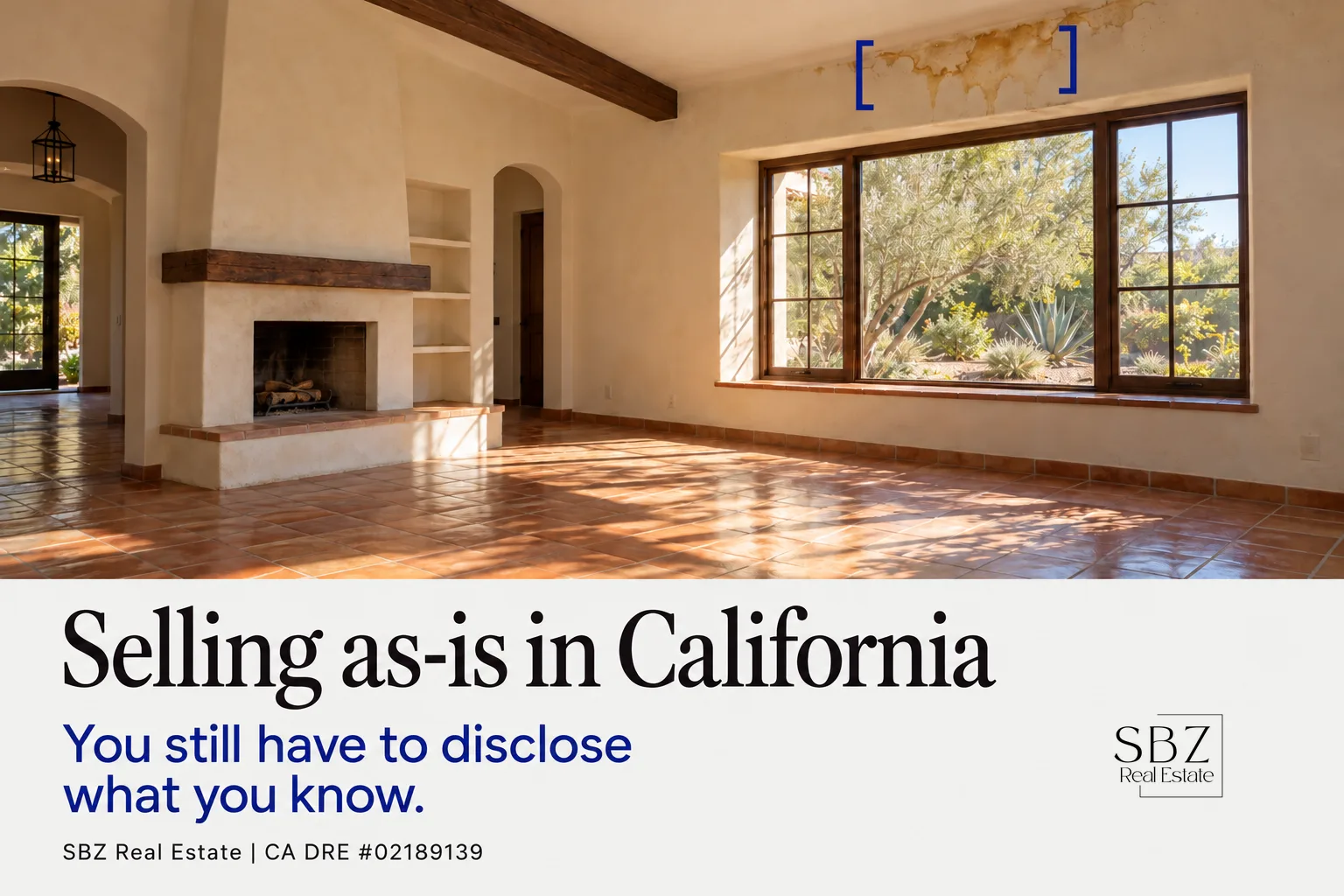
Mostly yes, and this is the part buyers most often get wrong. Skipping the public listing doesn't remove the seller's disclosure obligations or your right to investigate the property. Sellers of most residential properties in California must still provide required disclosures, and you can still negotiate an inspection period.
The risk is that the informal feel of an off-market deal makes people rush. A seller who says "I need a quick answer" may be sincere, but a quick answer is not a reason to skip the inspection. A thorough California home inspection matters more, not less, when no one else has vetted the home through a public sales process.
What are the real risks of buying off market?
Being candid here will save you money.
- Pricing risk. Without competing offers or market exposure, you may pay more than the open market would have set. Or you may not. You just can't rely on the market to tell you.
- Title and authority risk. Confirm the seller can legally convey the property. If a middleman is involved, find out exactly what interest they hold. An assignment of a purchase contract is different from owning the home, and you should understand the difference before you sign anything.
- Condition risk. Off-market homes are sometimes in rough shape, and the owner may not have repaired anything because they never planned a public sale.
- Representation risk. If you deal directly with an unrepresented seller, no one on your side is checking the paperwork. Our article on buying a home from the owner in California covers the questions to ask in that situation.
- Dual-agency situations. If one broker represents both sides, that must be disclosed in writing, and you should understand how it affects the advice you receive.
Can you stay private when you buy?
Some buyers want discretion for their own reasons, and there are legitimate ways to structure a purchase, such as buying through a trust or entity. That's a legal and tax question to work through with your attorney and advisors, and we cover the basics in buying a home privately in Los Angeles. If privacy matters to you, say so at the start so your broker can plan around it.
Is an off-market purchase right for you?
It can make sense if you're looking in a tight niche, you want a quiet transaction, or you have a broker who hears about opportunities early. It makes less sense if you're hoping it will automatically mean a lower price, or if you'd feel more comfortable seeing what the open market offers. Many buyers do both: they work with a broker who watches for quiet opportunities while they also keep an eye on public listings.
If you'd like to talk through your options, our buyer services page explains how we work, and a quick conversation through our contact page costs nothing.
Frequently asked questions
Is buying property off market legal in California?
Yes. Owners are free to sell without publicly listing, and a licensed broker can represent you in the transaction. The same disclosure, contract, and escrow requirements generally still apply.
Do off-market properties cost less?
Not necessarily. Price depends on the property, the seller's goals, and the local market. Without public exposure, you'll need a careful valuation to know whether the price is fair.
Do I need a broker to buy off market?
You aren't required to have one, but it's usually wise. A broker can help you find opportunities, value the property, review disclosures, and keep the process moving through escrow.
Can I still get a mortgage on an off-market home?
Generally yes. The lender will still require an appraisal, title review, and the usual underwriting. Talk to a lender early so you know your approval and timeline before you make an offer.
How do I know the seller actually owns the property?
Order a preliminary title report through escrow. It shows the vested owner of record and any liens, and it's the best way to confirm who has the authority to sell.